Finding Good Water Sources in an Emergency
When you’re in an emergency situation and don’t have access to clean water, it can be difficult to know where to look for drinking water. Without clean drinking water, you could become dehydrated very quickly.
Knowing where to find clean water in an emergency is so important. Knowing about good water sources becomes even more critical if you have a natural disaster or emergency scenario planned for your bug-out bag.
You must know the best places to find drinking water if caught out in the open without supplies. It isn’t as simple as staying away from streams or rivers and hoping you don’t end up near one.
There are different ways to identify good potential sources of clean drinking water in an area during an emergency.
No products found.
Good Sources of Water Are Usually Clear
When searching for a potential water source, it is best to look for clear water. This is the first indication that the water you’re looking at is likely clean and drinkable. You can still find clean water that is slightly murky, but it isn’t as likely.
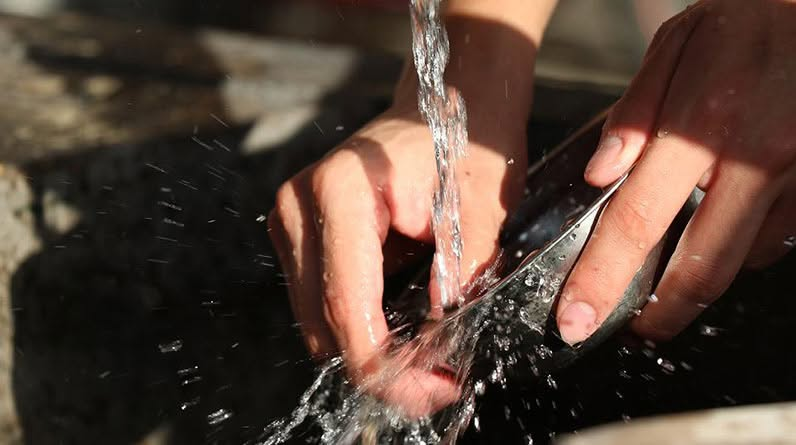
If you’re near a lake, river, or other body of water that you suspect has clean, drinkable water, you can also use your hand to check the visibility of the water. If you can’t see the bottom of the water source, the visibility is too low to drink from it safely.
Look for Shallow, Shaded Areas
If you come across a body of water you’re considering drinking from, you can check it using a hand-held drinking water test kit.
Alternatively, drop a small water sample onto a white cloth. If it soaks through in less than 30 seconds, the water source is likely clean and safe to drink.
If the water source you come across is in a shaded area, it is likely to be clean and safe for drinking. If you find yourself in a desert or other arid environment where you’re looking for water, you can also use the color of the ground as an indicator of water quality.
Dark brown or black soil is typically a sign of water very close to the surface.
Rivers with Dark Brown or Black Soil May be Good Options
It is likely safe to drink from if you come across a river with dark brown or black soil. Dark soil near a river is a sign that it is flowing through agricultural land. Agricultural areas use fertilizers in the water, which is why you want to avoid these areas when searching for water sources. However, these fertilizers do not make the water harmful to drink.
Avoid Areas Where Animals Dwell
If you find yourself in a desert or other arid environment, you should avoid bodies of water that have animal activity around them.
The easiest way to do this is to avoid places with lots of insects. Where there are lots of insects is likely a watering hole for animals.
This is why you should avoid areas where animals gather for water. You can also use animal tracks to sign that you should stay away from a particular water source. If you see animals walking in a certain direction from a water source, it’s likely because the water is unsafe to drink.
Dry-Season Rivers Are Typically Better Options
If you are in an arid environment and can’t find an obvious water source, you can still look for potential options. If you know the dry season ended recently, you can look for little creeks and streams in dry riverbeds. These are great options for finding water in an arid environment.
For example, the Colorado River is typically very large during the wet season. However, it shrinks to a much smaller riverbed during the dry season. During the wet season, this area is likely to flow with water. However, it is likely reduced to a tiny trickle during the dry season.
You May Find Dirty Water That’s Still Drinkable
If you come across a water source with lots of insect activity, is very shallow, and is in an area where animals are drinking from it, you can be sure that it isn’t safe to drink from.
However, there are some cases where you can find very muddy water. This water can be safe to drink during an emergency situation if you filter it.
You can use a bandana to filter out the larger pieces of debris from the water and make it safer for drinking. You must be careful about how long you filter the water. If you filter the water for too long, you could remove some beneficial minerals, dehydrating you even more.
No products found.
Conclusion
Knowing where to look for clean water in an emergency will make you far less likely to become dehydrated. If you are in an area where there are lots of animals drinking at a water source, if there is a lot of insect activity at the water source, or if the water source is very shallow and muddy, you need to look for an alternative water source. You can also use your hand to test the visibility of the water, and you can use the color of the ground near a water source as an indicator of water quality.