The Importance of Water in Emergency Situations
When disaster strikes, you have to act fast.
Thinking clearly and prioritizing quickly is key in these life-threatening situations.
Having an emergency plan in place can help reduce the stress of these scenarios and make it easier to respond appropriately. But with so many potential threats, how do you know which ones are most likely in your area?
What are the essential things that you need to prepare for? And what precisely should be on that list if you want to increase your chances of surviving any crisis?
That answer comes down to one simple word: water. In nearly every major emergency, clean water is top of the list as being something we can’t live without for more than three days.
Virtually every crisis threatens our water supply somehow, but certain ones pose serious risks.
Here’s why water is so important when preparing for any emergency and how you can get started on building your survival kit today:
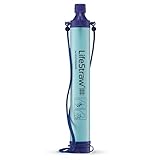
- Removes Bacteria & Parasites: The Microfiltration Membrane Removes 99.999999% of Waterborne Bacteria (Including E. Coli and Salmonella), and 99.999% of Waterborne Parasites (Including Giardia and Cryptosporidium) – Essential for Your Survival Kit
- Removes Microplastics: Removes the Smallest Microplastics Found in the Environment (Down to 1 Micron), and Reduces Turbidity Down to 0.2 Microns – Ideal for Hiking and Camping Essentials
- Rigorous Testing: All Claims Are Verified with Laboratories Using Standard Testing Protocols Set by the US EPA, NSF, ASTM for Water Purifiers
- Long Lifetime: The Microbiological Purification System Will Provide 4,000 Liters (1,000 Gallons) of Clean and Safe Drinking Water – a Must-Have for Your Bug Out Bag
- Make an Impact: For Every LifeStraw Product Purchased, a School Child in Need Receives Safe Drinking Water for an Entire School Year. Essential Camping Accessory Made With BPA Free Materials

Last update on 2026-09-25 / Affiliate links / Images from Amazon Product Advertising API
Why Is Water So Important in Emergency Situations?
First and foremost, it’s critical to understand how water impacts our health and well-being at all times – not just in a crisis.
Our bodies comprise around 60% water, which is essential for almost every function within our anatomy.
Generally, around half of that is inside our cells, while the rest is found outside in our blood and organs. In terms of emergency preparedness, water is also the most important resource when it comes to survival.
If a crisis occurs, you may need to reduce food intake to conserve other supplies like medication and fuel. Without water, though, you’ll only last about three days.
Our bodies can’t function properly without it, and after only three days without hydration, you’ll start feeling the effects.
Major Emergencies and Their Impact on Water Supply
While water is the most important resource in almost every emergency, each scenario poses its unique challenge.
Let’s take a look at some of the most common instances when water may be in short supply:
Wildfires – Firefighters often prepare for the worst, but even they are sometimes surprised by how quickly a blaze can grow out of control.
A sudden wildfire can devastate any area, with winds and extreme temperatures posing a serious risk to human life.
Flooding – Coastal flooding is a serious risk during the hurricane season, but it can also occur in other areas when heavy rainfall causes rivers and lakes to overflow their banks.
Extreme Weather – Severe storms pose a serious risk to water supplies in many areas. Hail can cause serious damage to roofs, and tornadoes often cause a flood of damaging debris.
Pandemics – If there is a major pandemic in your area, you might be forced to stay indoors for a prolonged period.
This means that you won’t be able to rely on water from the city and may have to find a way to treat water from your supply.
Electrical Disasters – Major power outages are frightening enough on their own but can also significantly threaten water supplies.

- TWO BOTTLES INCLUDED: Includes two bottles, each with 50 Potable Aqua Water Purification Tablets, offering an effective solution for emergency water treatment in camping, hiking, and natural disasters.
- EFFECTIVE WATER PURIFICATION: These water purifier tablets are perfect for camping, hiking, travel, and emergency preparedness; they offer a reliable way to purify water, ensuring safe hydration in any circumstance
- MAKES SOURCES SAFE TO DRINK: Water treatment tablets make water bacteriologically suitable to drink, even in challenging or emergency water situations, ensuring safe hydration when you need it most
- PROTECTION AGAINST HARMFUL ORGANISMS: Our water treatment tablets are effective against Giardia lamblia, providing trusted water purification when used as directed; offers essential protection against harmful pathogens
- VERSATILE EMERGENCY USE: Ideal for hiking, camping, international travel, and disaster preparedness, these portable water treatment tablets provide emergency water purification for any situation
Last update on 2026-09-25 / Affiliate links / Images from Amazon Product Advertising API
Short Term: 3 Days or Less
You’re in luck if you only deal with a short-term water crisis. Most of the items on this list can be resolved within a couple of days, and they don’t threaten your long-term survival efforts.
Wildfires – If you’re dealing with wildfires, the most important thing is evacuating the area as soon as possible. Water is often used to fight these fires since it’s the most efficient way to extinguish them, but it’s also one of the biggest risks in this scenario.
If your area is under a boil water advisory, it’s a good idea to stock up on bottled water as a precautionary measure.
Flooding – When dealing with flooding, staying out of harm’s way is the most important thing. Having a bag ready for quick evacuation is a good idea if you live in a low-lying area prone to flooding.
Extreme Weather – If you live in a place that is prone to severe storms, the best thing to do is always to have an emergency kit on hand.
This includes plenty of water and other supplies like batteries, a flashlight, and non-perishable food.
Pandemics – If you’re dealing with a pandemic, you may consider leaving the area. If that’s not an option, you can still do plenty of things to protect yourself and minimize risk: –
Be sure to clean your hands thoroughly when you come in contact with other people. Stay indoors as much as possible, and make sure to close off any openings in your home.
Avoid physical contact with others as much as possible.
Avoid sharing drinks and food, and wash your hands thoroughly after handling any items.
Mid-Term: 3 to 7 Days
If you’re dealing with a longer-term water crisis, such as a major electrical disaster, you’ll want to ensure enough water for drinking and sanitation.
You may also want to consider storing some water for hygiene so you can still bathe and keep clean.
Electrical Disasters – As mentioned above, electrical disasters can damage water supplies. You may want to consider finding an alternate water source when this happens.
You can also buy water bottles before the disaster strikes, which can help you to have enough to last a few days.
You can also use water from your toilet tank to flush your toilet, but ensure that you only do this for a few days.
Chemical Spills – If a chemical spill is nearby, you must exercise caution. The best thing to do is to stay indoors as much as possible and to make sure to keep all of your windows and doors closed.
You should also ensure plenty of bottled water for drinking and cleaning.
Long Term: Over 7 Days
If you’re dealing with a major disaster where you may be without water for more than a week, you must take extra precautions.
You may also want enough water to share with others since you never know who may need some.
Water Rationing – If you’re dealing with a major disaster, you’ll want to ration your water carefully. You’ll want to make sure to save some water for sanitation purposes, and you’ll also want to keep some on hand in case of an emergency.
Finding Alternate Sources – If you’re dealing with a long-term water crisis, you may want to consider storing water in advance.
You can find water in your home, but you’ll want to ensure not to waste it: Water from your toilet tank is unsuitable for drinking but can be used for flushing.
Roof water can be used for cleaning, but it’s important not to drink it.
You can also collect water from plants, rain barrels, and streams.
Conclusion
When disaster strikes, it’s important to remember that we need few things more than water. If a threat to your water supply presents itself, you must know how to react quickly and efficiently.
You can significantly improve your chances of surviving any situation with the right supplies and preparations.
With the right plan in place, you can ensure that you and your family are always prepared for any scenario they may face.