Introduction to First Aid for Survival Preppers
First aid is the immediate care given to an injured or ill person until professional medical help can be provided. It can be life-saving in an emergency situation.
Survival preppers should understand first aid and know how to use the supplies in their kit.
Importance of first aid in emergency situations
First aid can save lives. It can also prevent injuries from getting worse. In an emergency, first aid can help keep the injured person calm and comfortable until professional medical help arrives.
First aid can be life-saving in an emergency situation.
First aid skills can boost your chances of survival in the wilderness. For example, if you are injured while hiking, you can use first aid to stop the bleeding and prevent infection. You can also use first aid to treat common outdoor injuries, such as blisters and sunburn.
First aid is also important for treating common outdoor illnesses like dehydration and hypothermia. Dehydration can occur if you do not drink enough fluids, while hypothermia can occur if you are exposed to cold temperatures for too long.
If you are in a remote area, you may need to handle animal attacks and insect bites. Animal attacks can be serious, so knowing how to treat them is important. Insect bites can also be serious, especially if you are allergic to the insect.
First aid is also important for marine and aquatic emergencies. If you are in a boat or on a raft, you may need to know how to treat someone injured in a fall or stung by a jellyfish.
Finally, there are some essential first-aid skills that everyone should know. These include CPR, choking, and bleeding control. These skills can be life-saving in an emergency situation.
If you are planning to spend time in the wilderness, taking a first aid course and learning how to use a first aid kit is important. You should also pack a first aid kit with the supplies you need to treat common outdoor injuries and illnesses.
It is also important to be aware of the risks of animal attacks and insect bites in the area you will visit. If you are in an area with dangerous animals, you should take precautions to avoid them.
If you are in an area with dangerous insects, you should wear protective clothing and insect repellent.
It is important to learn first aid skills and to practice them regularly.

- 350 Piece First Aid Kit with Essential Supplies: Includes bandages, gauze pads, antiseptic wipes, dressings, wraps, gloves, and tools to handle cuts, scrapes, burns, and minor injuries.
- Wall Mount Hard Case with Dual Layers: Mount in offices, warehouses, classrooms, garages, or job sites for visibility and fast access. Swing-out compartments keep supplies organized and protected.
- Designed for Workplace and Facility Use: Suitable for offices, construction sites, retail stores, warehouses, fleet vehicles, and commercial spaces requiring organized safety supplies.
- Supports Workplace Injury Response: Supplies designed for common incidents including cuts, burns, wounds, and sprains in high-traffic environments.
- Organized Emergency Storage Solution: Durable case keeps medical supplies secure, visible, and easy to locate during urgent situations.
Last update on 2026-09-26 / Affiliate links / Images from Amazon Product Advertising API
Basic Principles of first aid
The basic principles of first aid are:
- Check the scene. Is it safe for you to enter the scene? Are there any hazards that need to be addressed?
- Assess the victim’s condition. Is the victim conscious? Is the victim breathing? Is the victim bleeding?
- Call for help. If the victim is unconscious or bleeding heavily, call 911 or your local emergency number immediately.
- Provide first aid. Use the supplies in your first aid kit to treat the victim’s injuries.
Essential first aid supplies for your prepper kit
The essential first aid supplies for your prepper kit include:
- Bandages
- Gauze
- Adhesive tape
- Antiseptic wipes
- Pain relievers
- Thermometer
- Tweezers
- Scissors
- CPR mask
- First aid manual
How to stay calm under pressure
It is important to stay calm under pressure when providing first aid. If you are calm, you can think more clearly and make better decisions. Here are some tips for staying calm under pressure:
- Take a deep breath.
- Focus on the task at hand.
- Don’t panic.
- Reassure the victim.
Understanding the chain of survival
The chain of survival is a set of steps that can help to save lives in an emergency. The chain of survival includes:
- Early recognition of an emergency
- Early activation of the emergency response system
- Early CPR
- Early defibrillation
By following the chain of survival, you can help to save lives.
Basic first-aid training typically covers the following topics:
- CPR and AED use
CPR is a life-saving technique that can help to keep someone’s heart beating and blood circulating if they have stopped breathing or their heart has stopped beating. An AED device can deliver an electric shock to the heart to restore a normal rhythm.
- Basic wound care and bleeding control
Basic wound care includes cleaning the wound, applying a bandage, and raising the injured area. Bleeding control includes applying pressure to the wound and using a tourniquet if necessary.
- Handling fractures, sprains, and strains
Fractures are breaks in the bones, sprains are injuries to the ligaments, and strains are injuries to the muscles. Treatment for these injuries includes immobilizing the injured area and applying ice.
- Treating simple illnesses and injuries
Simple illnesses and injuries include things like cuts, scrapes, bruises, and headaches. Treatment for these injuries typically includes applying first aid, such as cleaning the wound and applying a bandage.
- First aid for poisoning and allergic reactions
Poisoning and allergic reactions can be serious, so knowing how to treat them is important. Treatment for poisoning includes removing the poison from the body and providing supportive care. Treatment for allergic reactions includes removing the allergen from the body and providing epinephrine (EpiPen).
It is important to note that this is just a general overview of basic first-aid training. If you want to learn more about first aid, you should take a course. The Red Cross, the American Heart Association, and other organizations typically offer first aid courses.
Advanced first aid training typically covers the following topics:
- Advanced wound management and suturing techniques
Advanced wound management includes cleaning and debriding wounds, applying dressings, and using sutures or staples to close wounds.
- Treating complex illnesses and injuries
Complex illnesses and injuries include fractures, head injuries, and spinal cord injuries. Treatment for these injuries typically includes providing first aid and transporting the injured person to a hospital.
- Emergency childbirth and neonatal resuscitation
Emergency childbirth includes providing care to a woman in labor and delivering a baby. Neonatal resuscitation includes providing care to a newborn baby who is not breathing or who is having difficulty breathing.
- Advanced CPR and AED use
Advanced CPR includes using a bag-valve mask to provide ventilation and using an AED to deliver shocks to the heart.
- Managing emergency medical situations in remote areas
Managing emergency medical situations in remote areas includes things like providing first aid, transporting the injured person to a hospital, and providing psychological support to the injured person and their family.
It is important to note that this is just a general overview of advanced first-aid training. If you want to learn more about first aid, you should take an advanced first aid course. The Red Cross, the American Heart Association, and other organizations typically offer advanced first aid courses.
Here are some tips on how to deal with common medical emergencies:
Bleeding control and wound management:
- If the bleeding is severe, apply pressure to the wound with a clean cloth or bandage.
- If the bleeding is from a cut, elevate the wound above the level of the heart.
- If the bleeding is from a head wound, apply pressure to the wound with a clean cloth or bandage and keep the head elevated.
- If the bleeding is from a gunshot wound, do not remove any objects lodged in the wound.
- Call 911 or your local emergency number immediately.
Treatment of burns and scalds:
- Remove the victim from the source of the heat.
- Cool the burn with cool water for 10-15 minutes.
- Do not apply ice or ointments to the burn.
- Cover the burn with a clean, dry bandage.
- Call 911 or your local emergency number if the burn is severe or covers a large body area.
Management of fractures and dislocations:
- Immobilize the injured area with a splint or sling.
- Do not move the victim unless it is absolutely necessary.
- Call 911 or your local emergency number immediately.
Dealing with allergic reactions:
- If the victim is having an allergic reaction, remove them from the source of the allergy.
- If the victim is having difficulty breathing, give them an epinephrine auto-injector (EpiPen).
- Call 911 or your local emergency number immediately.
Handling poisoning and toxic exposure:
- Call 911 or your local emergency number immediately if the victim has ingested poison.
- Do not induce vomiting unless instructed to do so by a poison control center or emergency medical personnel.
- If the victim has been exposed to a toxic substance, remove them from the area and remove any contaminated clothing.
- Call 911 or your local emergency number immediately.
It is important to note that these are just general guidelines and that you should always consult a medical professional for specific advice on dealing with a medical emergency.
Here are some tips on how to recognize and manage some common environmental emergencies:
Hypothermia
Hypothermia is a condition that occurs when the body loses heat faster than it can produce heat. This can happen in cold weather, but it can also happen in water that is cooler than body temperature. Symptoms of hypothermia include shivering, confusion, slurred speech, and loss of coordination.
If you think someone has hypothermia, get them out of the cold and into a warm environment. Remove any wet clothing and wrap them in blankets or warm clothes. Give them warm, non-alcoholic drinks to drink. If the person is unconscious, call 911 or your local emergency number immediately.
Frostbite
Frostbite is a condition that occurs when the skin and underlying tissues freeze. This can happen in cold weather, but it can also happen in water that is cooler than body temperature. Symptoms of frostbite include numbness, tingling, and a white or pale appearance of the skin.
If you think someone has frostbite, get them out of the cold and into a warm environment. Remove any wet clothing and wrap the affected area in warm, dry cloths. Do not rub the affected area. If the frostbite is severe, immediately call 911 or your local emergency number.
Heatstroke
Heatstroke is a serious condition that occurs when the body’s temperature rises too high. This can happen in hot weather, but it can also happen in humid weather or when exercising strenuously. Symptoms of heatstroke include a high body temperature, headache, nausea, vomiting, and confusion. If you think someone has heatstroke, get them out of the heat and into a cool environment. Remove any wet clothing and fan them. Give them cool, non-alcoholic drinks to drink. Call 911 or your local emergency number immediately if the person is unconscious.
Dehydration
Dehydration is a condition that occurs when the body loses more fluids than it takes in. This can happen in hot weather, but it can also happen when exercising strenuously, vomiting, or having diarrhea. Symptoms of dehydration include thirst, dry mouth, dizziness, and fatigue. If you think someone is dehydrated, give them plenty of fluids to drink. Give them oral rehydration salts (ORS) if they are vomiting or having diarrhea. If the person is unconscious, call 911 or your local emergency number immediately.
Snake bites
Snake bites can be serious, but they are rarely fatal. If a snake bites you, stay calm and remove any jewelry or clothing that could constrict the bite area. Wash the bite area with soap and water. Do not apply a tourniquet or suck out the venom. Call 911 or your local emergency number immediately.
Insect stings
Insect stings are usually not serious, but they can be painful. If you are stung by an insect, remove the stinger if it is still in the skin. Apply ice to the sting area to reduce swelling. If you have a severe allergic reaction to insect stings, carry an epinephrine auto-injector (EpiPen) with you and use it as directed. Call 911 or your local emergency number immediately if you have a severe allergic reaction.
Altitude sickness
Altitude sickness is a condition that can occur when you travel to high altitudes too quickly. Symptoms of altitude sickness include headache, nausea, vomiting, and fatigue. If you develop altitude sickness, descend to a lower altitude as soon as possible. Drink plenty of fluids and rest. If your symptoms do not improve, call 911 or your local emergency number immediately.
Drowning
Drowning is a leading cause of death in the United States. If you see someone drowning, call 911 or your local emergency number immediately. Do not enter the water yourself unless you are a trained lifeguard. If you can reach the person without entering the water, throw them a life preserver or a long piece of cloth. If you cannot reach the person, try to attract the attention of someone who can help.
It is important to note that these are just general guidelines and that you should always consult with a medical professional for specific advice on how to deal with an environmental emergency.
here are some tips on how to deal with some common life-threatening emergencies:
Successful CPR Techniques to save lives
CPR is a life-saving technique that can help to keep someone’s heart beating and blood circulating if they have stopped breathing or their heart has stopped beating. To perform CPR, place the heel of your hand on the center of the person’s chest, and place your other hand on top of the first. Lock your elbows and use your upper body weight to push down on the person’s chest hard and fast. Push down at least 2 inches deep and at a rate of 100 to 120 compressions per minute. Continue CPR until help arrives.
Effective use of automated external defibrillators (AEDs)
An AED is a device that can deliver an electric shock to the heart to restore a normal rhythm. AEDs are easy to use and can be found in many public places. To use an AED, follow the instructions on the device. IF NECESSARY, the AED will analyze the person’s heart rhythm and deliver a shock.
Handling choking and airway obstruction
Choking is a serious condition that can occur when something blocks the airway. If someone is choking, they will not be able to speak or breathe. If the person is conscious, have them stand up and lean forward. Give them five sharp blows between the shoulder blades with the heel of your hand. Call 911 or your local emergency number immediately if the person is unconscious. Perform the Heimlich maneuver on the person until the object is dislodged.
Essential first aid for severe head and chest injuries
If someone has a severe head or chest injury, it is important to call 911 or your local emergency number immediately. Do not move the person unless it is absolutely necessary. If the person is unconscious, place them in a comfortable position and keep them warm.
Managing cardiac and respiratory arrests
Cardiac arrest is a condition that occurs when the heart stops beating. Respiratory arrest is a condition that occurs when someone stops breathing. If someone has cardiac or respiratory arrest, it is important to call 911 or your local emergency number immediately. Start CPR and continue until help arrives.

- WHAT YOU GET ▶ Everything you need is in this kit! Fully packed with 330 professional medical supplies – all kinds of bandages, CPR face shield, gloves, iodine prep pads, instant cold pack, tourniquet, etc. Meets international medical standards, 100% latex free.
- WATERPROOF & DURABLE BAG ▶ Made of high-quality waterproof thickened nylon fabric to better protect the medical supplies inside and improve the durability of the bag. Double handles and double zippers design are convenient for daily use and portability.
- SMART AREA CLASSIFICATION DESIGN: 4 transparent storage areas and 2 specific storage areas for gauze rolls, in conjunction with the classification area description and usage methods in the manual to help you find the accessories more efficiency and deal with crises without causing panic when emergency happens.
- COMPACT & LIGHTWEIGHT ▶ 9.4″ x 5″ x 6.3″ compact size, 1.61 lbs lightweight, it’s easy to carry that fits anywhere in your car, RV, atv, yacht, boat, jeep, bike or motorcycle. Ideal for home, workplace, outdoor, travel, boat, camping, hiking and other emergency situations.
- ALWAYS READY FOR ANY EMERGENCY ▶ Leave your worries behind and cherish your every moment! This amazing first aid kit allows you to feel safe and confident 24/7! Our mission is to impress every customer with high quality first aid kits and provide the best services. If you have any question, please contact us directly and trust that we will do it right.
Last update on 2026-09-18 / Affiliate links / Images from Amazon Product Advertising API
Here are some tips on how to recognize signs of labor and know when to act:
- Regular contractions. Contractions are the body’s way of getting ready to deliver the baby. They will start out mild and become more frequent and intense over time.
- Bloody show. This discharge of mucus and blood may occur a few days or hours before labor begins.
- Rupture of membranes. This is when the amniotic sac breaks and the water breaks.
- Backache. Some women experience backache during labor.
- Diarrhea. Some women experience diarrhea during labor.
- Descent of the baby. The baby will move down into the pelvis in preparation for delivery.
If you experience any of these signs, it is important to call your doctor or midwife. They will be able to assess your situation and determine if you are in labor.
Here are some tips on how to deliver a baby safely in an emergency:
- Stay calm. It is important to stay calm so that you can focus on delivering the baby safely.
- Call for help. If you are not with your doctor or midwife, call 911 or your local emergency number immediately.
- Find a safe place to deliver the baby. If you are not at home, find a safe place to deliver the baby, such as on the floor or on a bed.
- Remove any clothing from around the baby’s bottom. This will help to prevent the baby from getting cold.
- Support the baby’s head as it emerges. The baby’s head will be the largest part of the body to emerge, so it is important to support the head to prevent injury.
- Dry the baby off and wrap it in a warm blanket. This will help to keep the baby warm.
- Cut the umbilical cord. The umbilical cord should be cut after the baby has taken its first breath.
- Place the baby on the mother’s chest. This will help to keep the baby warm and promote bonding.
Here are some tips on how to handle neonatal resuscitation:
- Clear the airway. Use a bulb syringe to suction out any mucus or fluid from the baby’s nose and mouth.
- Dry the baby off. This will help to stimulate the baby to breathe.
- Place the baby on the mother’s chest. This will help to keep the baby warm and promote bonding.
- Check the baby’s breathing. If the baby is not breathing, begin rescue breaths.
- Check the baby’s heart rate. If the baby’s heart rate is below 100 beats per minute, begin CPR.
Here are some tips on how to provide emergency first aid for premature babies:
- Keep the baby warm. Premature babies are at risk of hypothermia, so it is important to keep them warm.
- Feed the baby frequently. Premature babies need to eat more often than full-term babies.
- Monitor the baby’s breathing. Premature babies are at risk of respiratory problems, so it is important to monitor their breathing.
- Protect the baby from infection. Premature babies are at risk of infection, so it is important to protect them from infection.
Here are some tips on how to manage pediatric emergencies:
First aid for the elderly and disabled
- Stay calm. It is important to stay calm so that you can focus on helping the child.
- Call for help. If you are not with the child’s doctor or other healthcare provider, call 911 or your local emergency number immediately.
- Assess the child’s condition. Determine what is wrong with the child and how serious the condition is.
- Provide first aid. If you know how to provide first aid, do so. If you do not know how to provide first aid, do not attempt to do so.
- Reassure the child. Let the child know that you are there to help and that everything will be okay.
- Stay with the child until help arrives. Do not leave the child alone until help arrives.
Here are some special considerations in first aid:
When providing first aid to the elderly or disabled, it is important to be aware of their specific needs. For example, the elderly may be more fragile and may have difficulty moving. The disabled may have special equipment that needs to be taken into account. It is also important to be patient and understanding when providing first aid to the elderly or disabled.
Managing chronic medical conditions in emergency situations
If someone has a chronic medical condition, such as diabetes or asthma, it is important to be aware of how their condition may affect them in an emergency situation. For example, someone with diabetes may need to take insulin or glucose tablets if they experience low blood sugar. Someone with asthma may need to use their inhaler if they have an asthma attack. It is also important to have a plan in place to manage someone’s chronic medical condition in an emergency.
Treating mental health emergencies
If someone is experiencing a mental health emergency, such as a panic attack or a psychotic episode, it is important to be calm and understanding. Do not try to argue with the person or force them to do anything they do not want to do. Instead, try to de-escalate the situation and help the person to feel safe. If the person is a danger to themselves or others, call 911 or your local emergency number immediately.
First aid for pets and livestock
If you have pets or livestock, knowing how to provide them with first aid in an emergency is important. For example, if your pet is injured, you may need to apply a bandage or splint. If your livestock is sick, you may need to give them medication or provide them with electrolytes. It is also important to have a plan in place for how to transport your pet or livestock to a veterinarian if they need further care.
Responding to natural disasters and acts of terrorism
If you are faced with a natural disaster or an act of terrorism, it is important to stay calm and follow the instructions of emergency personnel. If you are injured, seek medical attention immediately. If you are not injured, you can help by providing first aid to others, helping to evacuate people from the area, or donating blood.
Natural remedies and alternative first aid can be a great way to complement traditional first aid treatments. They can be used to treat minor injuries and illnesses, and they can also be used to relieve pain and discomfort.
However, it is important to note that natural remedies and alternative first aid should not be used in place of traditional first aid. You should always seek professional medical attention if you are experiencing a serious injury or illness.
Here are some tips for using natural remedies and alternative first aid:
- Do your research. Ensure you know what you are doing before using any natural remedy or alternative first aid treatment.
- Start with small doses. If you are using a new natural remedy or alternative first aid treatment, start with a small dose and see how it affects you.
- Be patient. Natural remedies and alternative first aid treatments may take longer to work than traditional treatments.
- Be aware of the risks. Some natural remedies and alternative first-aid treatments can have side effects. Talk to your doctor before using any natural remedy or alternative first aid treatment.
Here are some natural remedies and alternative first aid treatments that you can use to complement traditional first aid:
- Herbal remedies. Many different herbal remedies can be used to treat minor injuries and illnesses. Some popular herbal remedies include chamomile, ginger, and peppermint.
- Essential oils. Essential oils can be used to relieve pain, inflammation, and anxiety. Some popular essential oils include lavender, peppermint, and tea tree oil.
- Acupressure and reflexology. Acupressure and reflexology are techniques that can be used to relieve pain and promote healing. Acupressure involves applying pressure to specific points on the body, while reflexology involves applying pressure to specific points on the feet.
It is important to note that this is just a general overview of natural remedies and alternative first aid. If you want to learn more about these topics, you should talk to your doctor or a qualified healthcare professional.
First aid considerations for the modern prepper include:
- The type of environment in which you will be prepping. If you are prepping for a disaster in a urban environment, you will need to have a different first aid kit than if you are prepping for a disaster in a rural environment.
- The number of people you will be prepping for. If you are prepping for a family of four, you will need a different first aid kit than if you are prepping for a group of 10 people.
- Your own medical needs. If you have any chronic medical conditions, you must ensure that your first aid kit includes the supplies you need to manage your condition.
Building a comprehensive prepper medical kit includes:
- Choosing a first aid kit that is the right size and type for your needs.
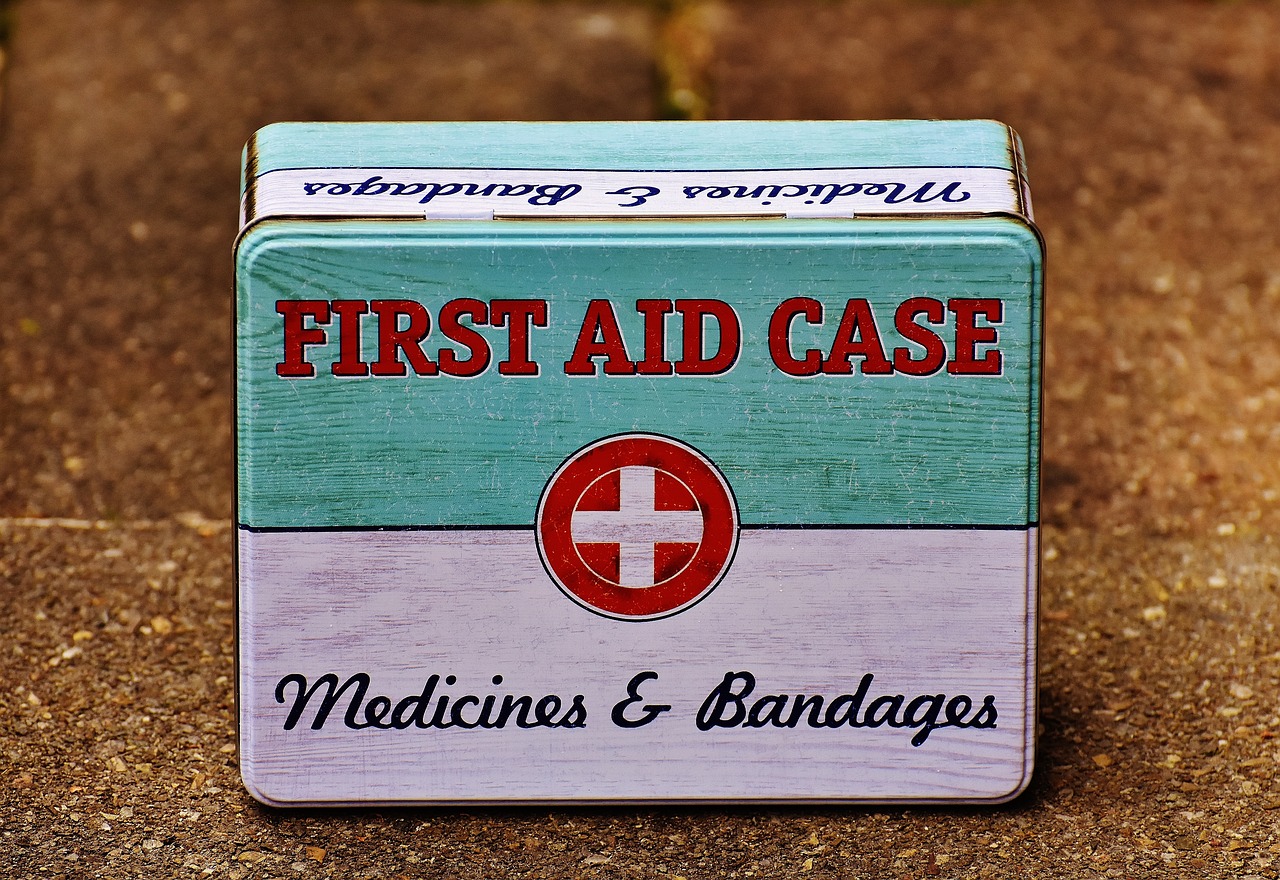
- Stocking the first aid kit with the essential supplies.
- Labeling the first aid kit with the expiration dates of the supplies.
- Rotating the supplies in the first aid kit regularly.
Stocking up on essential medications and supplies includes:
- Medications that you or your family members take on a regular basis.
- Over-the-counter medications for common illnesses and injuries.
- Supplies for wound care include bandages, antiseptic wipes, and antibiotic ointment.
- Supplies for pain management, such as ibuprofen and acetaminophen.
- Supplies for allergies, such as epinephrine (EpiPen).
Enhancing your first aid skills for survival scenarios includes:
- Taking a first aid course that is designed for preppers.
- Practicing first aid skills regularly.
- Learning how to use the supplies in your first aid kit.
- Knowing how to improvise first aid supplies if necessary.
Understanding the difference between first aid and medical care is important for preppers.
First aid is the immediate care given to an injured or ill person until professional medical help can be provided.
Medical care is the treatment of an injury or illness by a doctor or other healthcare professional.
Preppers should know the limitations of first aid and when to seek professional medical attention.