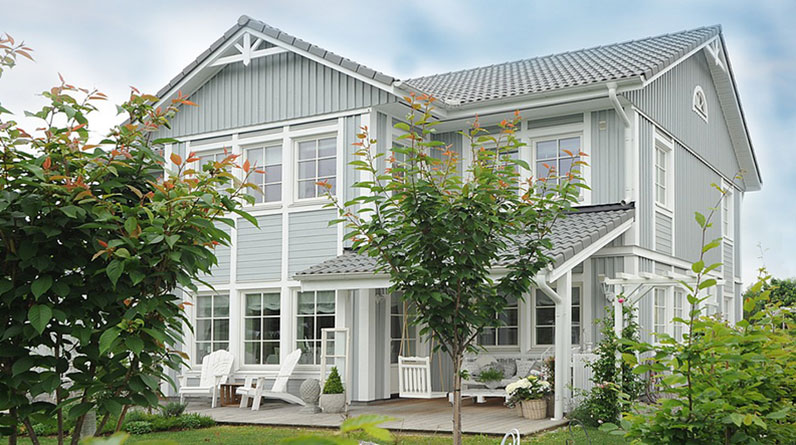
Unlock the Secret: How Passive Solar Energy Can Power Your Prepper Lifestyle
Harnessing renewable energy is key for anyone looking to live sustainably, but it’s even more critical for preppers.
Passive solar energy offers a simple, effective way to use the sun’s heat without relying on complex technology or active systems.
Unlike active solar setups that need panels and inverters, passive solar designs spaces to capture, store, and distribute sunlight naturally.
It’s efficient, low-maintenance, and perfectly aligns with the prepper mindset of self-reliance and resourcefulness.
You’re in the right place if you’re curious about integrating this into your lifestyle.
What is Passive Solar Energy?
Passive solar energy is all about harnessing the sun’s natural energy without needing intricate machines or equipment.
Instead of relying on panels and wires, it maximizes the sun’s heat through thoughtful design and structure.
From the orientation of a building to its windows, walls, and materials, every element works together to naturally collect, store, and distribute solar energy.
This approach is simple, effective, and a perfect addition for those seeking a low-maintenance, energy-efficient lifestyle.
No products found.
Key Principles of Passive Solar Design
If you’re wondering how passive solar energy works, it’s rooted in three essential principles: solar heat gain, thermal mass, and natural ventilation.
Let’s break this down:
- Solar Heat Gain: Buildings are designed to capture the sun’s energy primarily from south-facing windows. This placement lets sunlight flood the space during the day, warming the interior naturally. Think of it as a greenhouse effect but on a home-friendly scale.
- Thermal Mass: Materials like concrete, brick, or stone absorb and retain heat. These materials store warmth during the day and release it gradually at night, helping to maintain a steady, comfortable temperature indoors. It’s like having a thermal battery built right into your home.
- Natural Ventilation: Proper airflow ensures homes stay cool in the summer. Strategic window placements and vents allow for cross-ventilation, pulling in cool air and pushing out the hot air. It’s nature’s air conditioning system working on your behalf.
These principles work seamlessly together to create a living space that’s both comfortable and energy-efficient.
To learn how these methods shape sustainable homes, visit this guide to passive solar homes.
Differences Between Passive and Active Solar Systems
While both systems utilize solar energy, passive and active solar approaches couldn’t be more different. Here’s what sets them apart:
- Technology: Passive systems rely on architectural design. From the home’s orientation to the materials used, everything is optimized to harness sunlight naturally. On the other hand, active systems depend on technology like photovoltaic panels, pumps, and inverters to generate and store energy.
- Installation: Passive solar energy is embedded right into construction. It’s all about design decisions, like where windows go or which materials absorb the most heat. In contrast, active solar requires installing solar panels, wiring, and other equipment.
- Cost: Passive systems are typically more cost-effective. Since they don’t use mechanical components, there’s no need for expensive equipment or ongoing maintenance. Active systems may offer higher energy conversion but have a larger upfront investment and maintenance costs.
Ultimately, passive solar energy is all about simplicity, while active systems rely on equipment and engineering to convert sunlight into electricity or heat.
To explore these distinctions further, check out this detailed overview of solar system designs.
Passive solar energy offers an approachable pathway to sustainable living, especially for those wanting to reduce dependency on costly, complex systems.
Whether planning a new build or considering upgrades, passive solar design principles are worth considering.
The Components of Passive Solar Energy Systems
Passive solar energy systems are designed with strategies that harness the sun’s natural power to regulate indoor temperatures efficiently.
Understanding its key components is essential to consider incorporating this sustainable method into your home or preparation strategy.

- Portable Generator with 60W Solar Panel Included: with a big battery pack, ZeroKor 300W solar powered generator are powerful enough to charge smartphones,tablets,laptops,headphones or other outdoor small camping supplies(Tips:Using electrical appliances over 300W may damage the portable solar generator, especially some devices that are prone to heat or built-in air compressor such as coffee maker,Hair dryer, water pump etc )
- Multiple Charging outlets for camping gear with SOS Flashlight: with 2* 300W Max wall AC outlets, 1* DC port (9V-12.6V/10A max ), 3* 5V/3A Max USB ports, 1*quick charge USB port (5V/3A 9V/2A Max), Flashlight with reading mode and SOS mode for your outdoor Adventures, our portable solar power station offers a versatile charging solution,allowing you to charge your outdoor smart devices directly from a wall AC outlet
- Multiple Charging Optional, Solar Panel Charger 60W Included: ZeroKor portable power bank generator can be recharged by Home AC outlet, DC5521 13V-23V Solar Panel (Portable Power Station built-in MPPT), 12V Carport. Take the portable solar power bank generator with you on-the-go and never worry about power shortage,the portable AC outlet design makes it more suitable for Tent camping OFF-Grid
- Built in BMS(Battery Management System) : ZeroKor portable power station features short circuit protection, over-current protection, over-voltage protection, overload protection and overheating protection. The built-in cooling fan system will automatically start and stop according to the portable battery pack internal temperature during use. Acting as a portable solar power bank, it accommodates multiple devices simultaneously, making it perfect for indoor and outdoor use
- HIGH CONVERSION EFFICIENCY: ZeroKor solar panels 60W monocrystalline solar cell have a high conversion efficiency of 20.5%, and its performance is better than that of polycrystalline solar panels under the condition of insufficient light

Last update on 2026-10-23 / Affiliate links / Images from Amazon Product Advertising API
Building Orientation and Design
The layout and orientation of a building play a pivotal role in determining how well it can leverage solar energy. Strategically positioning a building ensures it captures the most sunlight during the cooler months while avoiding excessive heat during the summer.
- South-Facing Exposure: In most regions of the Northern Hemisphere, south-facing windows capture the maximum amount of sunlight throughout the day.
- Compact Floor Plans: Buildings with designs that minimize exposed surfaces are more efficient at retaining heat.
- Sloped Roofs and Overhangs: Overhang structures further enhance control, blocking high summer sun while allowing lower winter rays to enter.
An adequately oriented building serves as the foundation for effective passive solar energy.
When combined with the right materials, it creates an efficient and cost-saving system.
For a deep dive into passive solar home design, check out this Passive Solar Homes guide.
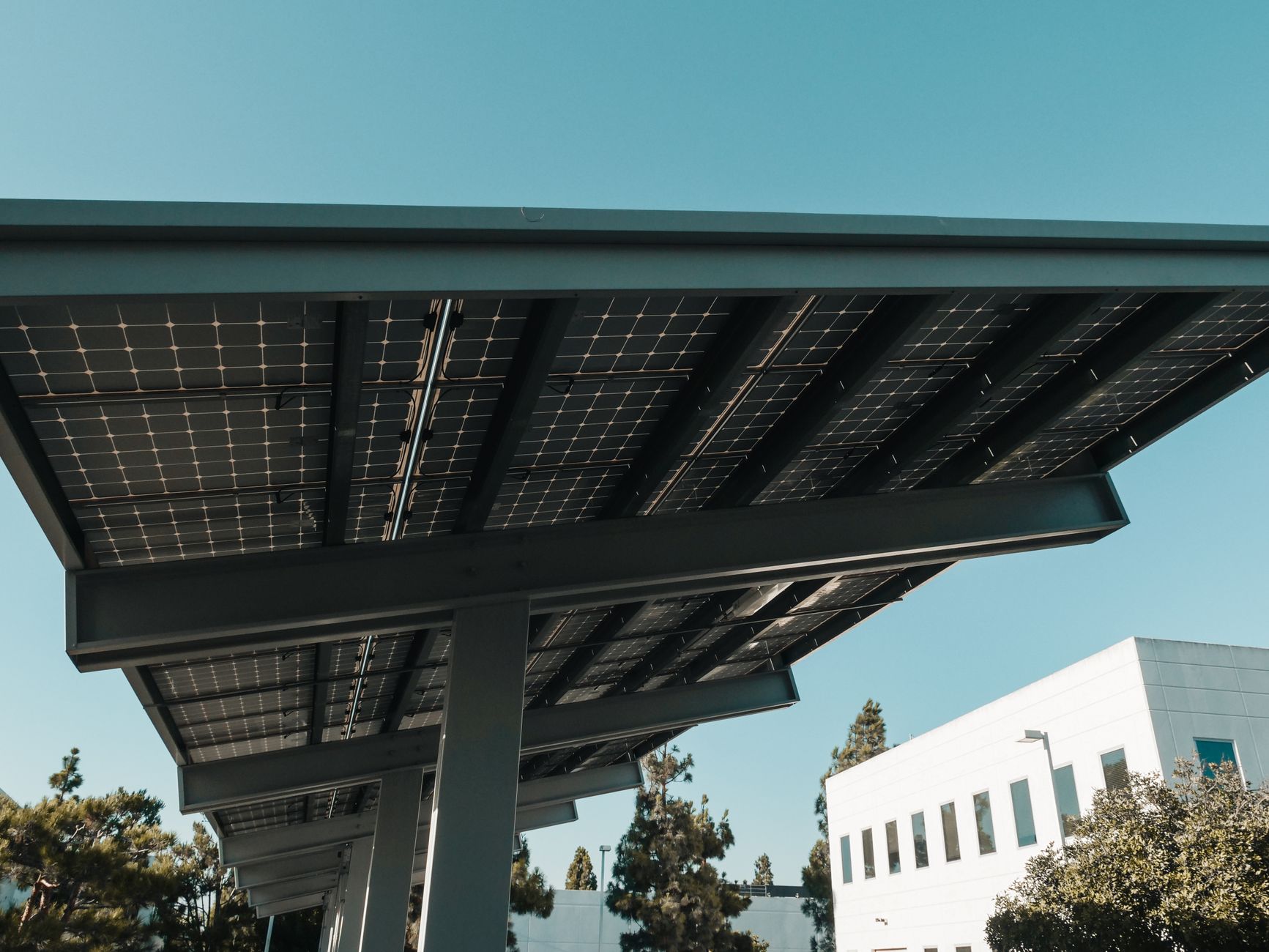 Photo by Kindel Media.
Thermal Mass and Insulation
Once sunlight enters a building, thermal mass stores the heat, while insulation effectively retains it; these elements go hand in hand to moderate indoor temperatures.
- Thermal Mass: Materials like concrete, tiles, or stone collect, store, and release heat gradually. Think of it as a battery for indoor heat.
- Insulation: High-quality insulation creates a boundary to reduce heat exchange, keeping warm air in during winter and out during summer.
This balance ensures that passive solar buildings maintain temperature stability even during seasonal changes.
Need more information on how thermal properties enhance energy efficiency?
Visit Passive Solar Design – Key Components.
Windows and Glazing
Windows are more than just a natural light source; they are crucial in passive solar energy systems.
The placement, size, and technologies used in the glazing process determine how efficiently sunlight is utilized.
- Window Placement: South-facing windows allow sunlight to flood a space during winter, while minimal east and west-facing windows reduce unwanted morning and evening glare.
- Advanced Glazing: Double or triple-pane windows with low-E (low-emissivity) coatings improve the ability to retain heat while minimizing heat loss.
- Shading Devices: Elements like blinds, curtains, and outdoor awnings provide flexibility to control heat gain during peak sun exposure.
When working in unison, these features create a finely tuned system for optimizing solar energy. For tips on window placement and glass technologies, explore Passive Solar Design Basics.
Understanding these components allows you to design or modify structures to maximize passive solar energy.
This method fosters sustainability, ensures comfort, and lowers long-term energy costs.
How Passive Solar Energy Benefits Preppers
Passive solar energy is a golden opportunity for preppers looking to build self-reliance and resilience.
By designing homes or shelters to capture and retain the sun’s warmth naturally, you can ensure comfort and functionality—even during unpredictable times.
Let’s explore two significant benefits of passive solar energy for preppers: energy independence and cost savings.
Energy Independence and Reliability
For preppers, unpredictability is the name of the game.
When the grid goes down, you need energy solutions that work no matter what.
Passive solar energy delivers this by minimizing or eliminating dependence on external power sources.
- Grid-Free Living: During emergencies like natural disasters or power outages, passive solar systems keep functioning without reliance on fuel or electricity. Homes designed for solar heat gain can remain livable even in harsh winters. Imagine having a warm, safe space with no reliance on electricity or gas.
- No Maintenance Worries: Unlike active systems with moving parts, passive setups rely solely on clever design. This simplicity ensures operation without breakdowns, making it perfect for off-grid scenarios.
Think about it: with passive solar energy, you won’t have to drain your limited resources scrambling for heating solutions during a crisis.
To see how these systems can work alongside other preparation tactics, read this passive solar heating guide.
Cost Savings and Sustainability
Passive solar energy is not just about staying safe in emergencies—it’s also about long-term financial and environmental gains.
Here’s how:
- Lower Utility Bills: You’ll reduce energy expenses year-round by designing your home to heat and cool itself naturally. Over time, this translates into massive savings, as you’re not relying on fossil fuels or costly energy systems.
- Sustainable Living: Passive solar design aligns perfectly with an eco-conscious lifestyle. By using the sun’s natural power, you’re reducing your carbon footprint. This isn’t just good for your wallet—it’s great for the planet.
Additionally, preppers can combine passive systems with rainwater harvesting and other eco-friendly methods to create an entirely self-sufficient homestead.
For more tips on designing energy-efficient spaces, check out the Passive Solar Homes guideline.
By embracing passive solar energy, you’re not just prepping for emergencies but also building a sustainable, cost-effective way of life that benefits you daily. It’s a win-win for your wallet, safety, and the environment!

- Energize Almost Everything. The EcoFlow DELTA Pro 3 supports 120V/240V voltage and has a 4000W output (6000W with X-Boost, scalable up to 12000W), powering nearly all essential home appliances, such as a 3-ton* central AC or a 1 HP water pump.
- Forget Refueling. Featuring a 4096Wh LFP battery capacity, expandable to 48kWh with extra batteries or smart generators, providing 2-4 days of whole-home backup power. With 7 unique and 18 combo charging methods like AC wall outlets, solar panels, gas generators, EV charging piles, or the EcoFlow smart home panel 2, you can forget fuel worries.
- Plug and Play. Experience hassle-free power with the DELTA Pro 3, a versatile portable power station that’s easy to set up, even a kid can manage it. No installation or maintenance required. Its portable handle design makes this solar generator perfect for clean, renewable energy anywhere, anytime. Control and monitor your power with the EcoFlow app, even remotely.
- Uninterrupted Life. With the ultra-fast 10 ms switch-over capability of the EcoFlow DELTA Pro 3, enjoy instant backup for your NAS systems, servers, and entertainment devices. Safeguard against power disruptions and ensure continuous, safe operation. This portable power station is your reliable partner for an uninterrupted life.
- Silent as a Whisper. With X-Quiet technology, this solar generator operates at a peaceful hum as low as 30 dB, ensuring undisturbed sleep even beside your bed. Its whisper-quiet operation is so discreet, you’ll hardly notice it’s there, making it perfect for both indoor and outdoor use.


- SOLAR POWERED GENERATOR WITH PANELS INCLUDED: Apowking 40W portable solar panels features 24% high-efficiency monocrystalline cells – delivering outstanding output even in low-light conditions (dawn, dusk, or overcast). Comes with 10 DC connectors – compatible with most of portable power stations on the market. Plug & play, no adapter needed.
- PORTABLE POWER STATION LIGHTEST IN CLASS AT 5 LBS: Apowking 300W power station – 5 lbs compact (8.5×6.7×4.1 in) fits in any daypack. Built with a 220Wh (60000mAh) high-density Li-ion pack – enough for 15 phone charges, 3 drone batteries, 5 hours of laptop backup, or 6-8 hrs for CPAP. This battery station is equipped with 7 ports total – including AC outlet, 2 USB-C PD ports, 3 USB-A, and DC carport – power up your whole crew without slowing down. Ideal for camping, road trips, or home outage. Small size, big performance.
- SOLAR POWERED GENERATOR POWER 6 DEVICES AT ONCE — 2 AC + 3 USB + USB-C: Apowking solar generator with panels included – zero fan noise, perfect for tents, cars, and quiet indoor spaces. Outputs include: 2×110V AC pure sine wave outlets (300W rated / 600W peak) – safe for laptops, CPAP, mini-fridges, and sensitive electronics. 4×USB ports (including QC fast-charge) + 1×DC carport (9-12.6V/10A) – charge phones, tablets, drones, and car devices simultaneously. All 7 ports work at once, no interference, no noise. Just quiet, reliable power.
- BIGGER LED, BRIGHTER LIGHT: Apowking 300W solar powered generator features an integrated large-area LED backlight – not a tiny flashlight, but a smooth, wide floodlight that illuminates up to 100 sq.ft. Bright white (5000K, ~300 lumens) runs for 30+ hours on a single charge – ideal for tent reading, emergency home use, or cooking at dusk. One press, whole area lit. No dark corners, no shadows.
- SECURED SOLAR GENERATOR: Apowking power bank with ac outlet is built with an advanced multi-layer BMS – monitoring voltage, current, and temperature in real-time, with auto-shutdown in <0.1s upon any anomaly. Battery protection: overcharge, over-discharge, over-current, short-circuit. Every charge is verified through multiple safety checks. You focus on your trip, we focus on your safety.
Last update on 2026-10-13 / Affiliate links / Images from Amazon Product Advertising API
Challenges and Considerations
While passive solar energy has numerous benefits, it’s essential to understand the challenges and considerations associated with its implementation.
Recognizing these factors can help you better prepare for adopting this approach, whether planning a new home or retrofitting an existing one.
Geographical and Climate Limitations
Your location and climate significantly influence the efficiency of passive solar systems.
Why?
Because passive solar design relies on natural sunlight for heat and energy management.
Areas with limited sunlight during key months or those prone to overcast conditions might struggle to reap the benefits.
For instance, homes in regions with long, cloudy winters may not gather enough solar heat to maintain temperature stability.
Conversely, homes in areas with scorching summers might face difficulty in keeping interiors cool.
What can you do to overcome these challenges? Here are some considerations:
- Maximize Insulation: High-quality insulation can help counterbalance any inefficiency caused by poor climate conditions.
- Invest in Shading Solutions: External shading options like overhangs or louvers can block excessive sunlight in hot climates.
- Use Supplemental Solutions: In regions with inconsistent sunlight, backup heating or cooling systems are often essential.
One comprehensive guide discusses how climate and location affect solar energy’s efficiency. This ensures you tailor the system to meet your environmental needs.
Initial Design and Construction Costs
The saying “you have to spend money to save money” rings a bit true here.
While passive solar systems are cost-effective in the long run, the upfront design and construction expenses can be a hurdle.
Passive solar design requires meticulous planning during the construction phase.
This includes choosing the correct materials, precise orientation, and integrating features like thermal mass and advanced glazing systems.
If not planned early, retrofitting an existing home with passive features can be expensive and complicated.
To manage costs smartly:
- Plan Early: Incorporate passive solar principles during the design phase of construction. It’s far more economical to build these features from the ground up.
- Select Cost-Effective Materials: Instead of high-end finishes, choose affordable materials with strong thermal performance, like concrete and masonry.
- Pursue Incentives and Grants: Many regions offer incentives for building energy-efficient homes, which can offset initial costs significantly.
Are you curious about the cost-benefit analysis of passive solar energy?
Check out this resource that breaks down pros and cons.
Understanding the challenges of geography and costs enables you to take proactive steps toward maximizing the benefits of passive solar energy.
It’s all about planning and adjusting your strategy to fit your unique context.
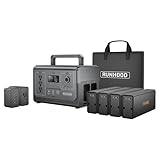
- Get three power stations for the price of one! This amazing deal includes AC and USB adapters, a main 1200W power station, and four batteries. Simply pop two batteries into the 1200W unit, connect with the AC/USB adapter, and voila – you’ve got an 80W/324Wh and 256W/324Wh power station. Don’t miss out on this super practical offer!
- 1296Wh capacity. With – 4 hot-swappable batteries for instant full power, we bring back the convenience of old-school removable batteries – just swap for QUICK RESTORATION, like changing batteries in retro cellphones.
- Featuring 3X1200W pure sine wave AC output, 5 DC outlets (2USB-A 28W, 2USB-C 100W, 1Car outlet), and 115W wireless charging, the Runhood Rallye 1200 Pro can simultaneously charge up to 9 devices while accommodating various plug requirements.
- Experience unique charging methods. The Swappable Energy Bar (EB324) can be charged separately in 3 ways: AC, car, and solar panel (sold separately). The Rallye 1200 Pro can also be charged through these 3 methods.
- Portable and convenient, weighing only 26.41lb (4*EB324 batteries included). Take it with you while traveling, camping, or enjoying outdoor activities. Power on the go, hassle-free!
Last update on 2026-09-18 / Affiliate links / Images from Amazon Product Advertising API
Conclusion
Passive solar energy is more than just a green energy solution—it’s a practical way to build energy independence and resilience, especially for preppers.
By understanding principles like solar heat gain, thermal mass, and natural ventilation, you can create self-sustaining spaces and prepare for grid outages.
The benefits extend beyond emergencies.
Lower bills, reduced maintenance, and sustainability make passive solar energy an investment in your future and the planet.
Whether building a new home or looking for ways to improve your current setup, considering these energy systems is a step toward greater self-reliance.
What passive solar design features could you apply to your home or shelter today?
Start planning to create a secure, energy-efficient space ready for whatever lies ahead.




One Comment