A Foraging Guide For Beginners
A foraging guide can provide information on many different topics, such as the best plants to look for when harvesting, how to prepare food, and finding a mentor.
Read on to learn more about these topics, and start your journey to foraging.
Identifying plants
One of the most important skills in foraging is knowing how to identify plants.
Whether you are just beginning your foraging adventures or are a seasoned veteran, you will find that having the correct information is vital to ensuring safety and enjoyment.
A myriad of books and online resources are available to help you. But, the best way to learn is to seek out guidance from an experienced forager.
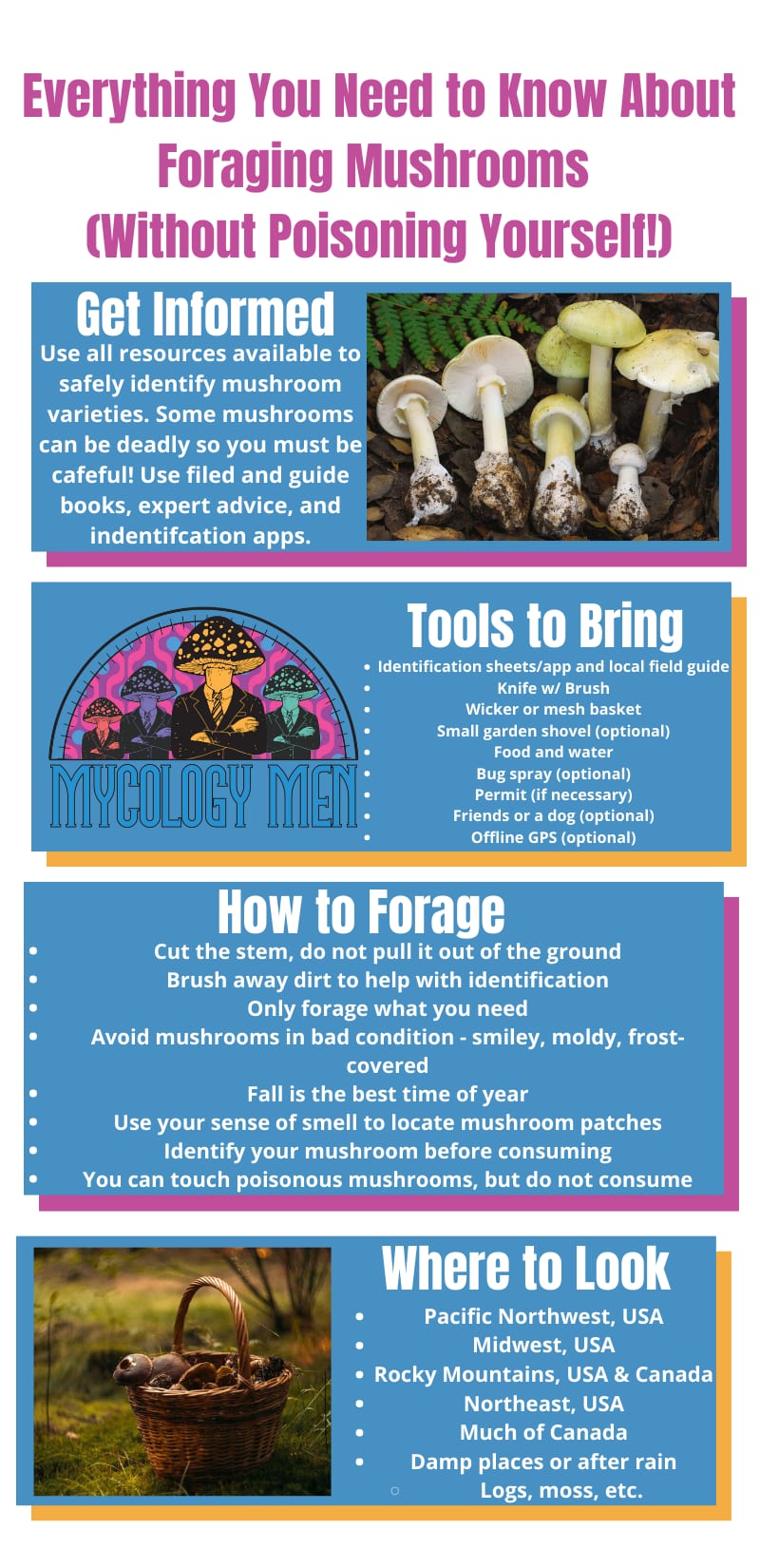
Learning the proper foraging techniques is crucial for your personal safety and the ecosystem’s health. Some plant varieties are known for their medicinal properties, while others may be toxic.
It’s a good idea to know the names of these toxic species to avoid them.
Identifying plants is no small feat.
You must consider things like leaf shape and size, stalks, and colors. In addition, you’ll want to be sure to leave enough for the birds, cats, and other wild creatures.
While there is no silver bullet when it comes to foraging, one book stands out above the rest.
The Plant Identification Guide (PIG) is a refreshingly compact and readable guide that breaks down the scientific process for easy-to-follow instructions.
While the PIG won’t reveal which plants you can eat, it can teach you how to identify the safest ones. This is one of the most rewarding aspects of foraging, especially if you’re new to the sport.
The many online resources include a mobile field guide to edible herbs, photo quizzes, and articles on the hottest foraging trends.
Foraging Guide: Easiest Plants to Identify
1. Dandelion (Taraxacum officinale)
- Distinct yellow flowers and tooth-like leaves
- The entire plant is edible
- Rich in vitamins A, C, and K
2. Stinging Nettle (Urtica dioica)
- Tall plant with finely toothed, heart-shaped leaves
- Requires cooking due to stinging hairs on the stem
- High in vitamins A and C, iron, potassium, manganese, and calcium
3. Wild Garlic (Allium ursinum)
- Characterized by its strong garlic smell
- Star-shaped white flowers in late spring
- Both leaves and flowers are edible
4. Blackberries (Rubus fruticosus)
- Thorny shrubs with distinct blackberries from late summer to early autumn
- Berries are rich in antioxidants
5. Elderflower/Elderberry (Sambucus nigra)
- Tree or shrub with clusters of small white or cream flowers
- Flowers can be made into cordial; berries should be cooked before consumption
6. Hawthorn (Crataegus monogyna)
- Shrub/tree with red berries in autumn known as ‘haws.’
- Haws can be used to make jellies, wines, etc.
7. Wood sorrel (Oxalis acetosella)
- Small plants often found under trees with heart-shaped leaves grouped in threes.
- Leaves have a sour taste
Remember that foraging should always be done responsibly – take only what you need without damaging the ecosystem.
Also, ensure you correctly identify plants before eating them; some wild plants may look similar but are poisonous or harmful if ingested.
Gathering Your Harvest
Foraging is the art of collecting and eating the edible parts of plants. It’s a great way to connect with nature, and it can be fun.
However, there are many things to consider before foraging.
A great first step is to learn which edibles grow in your area.
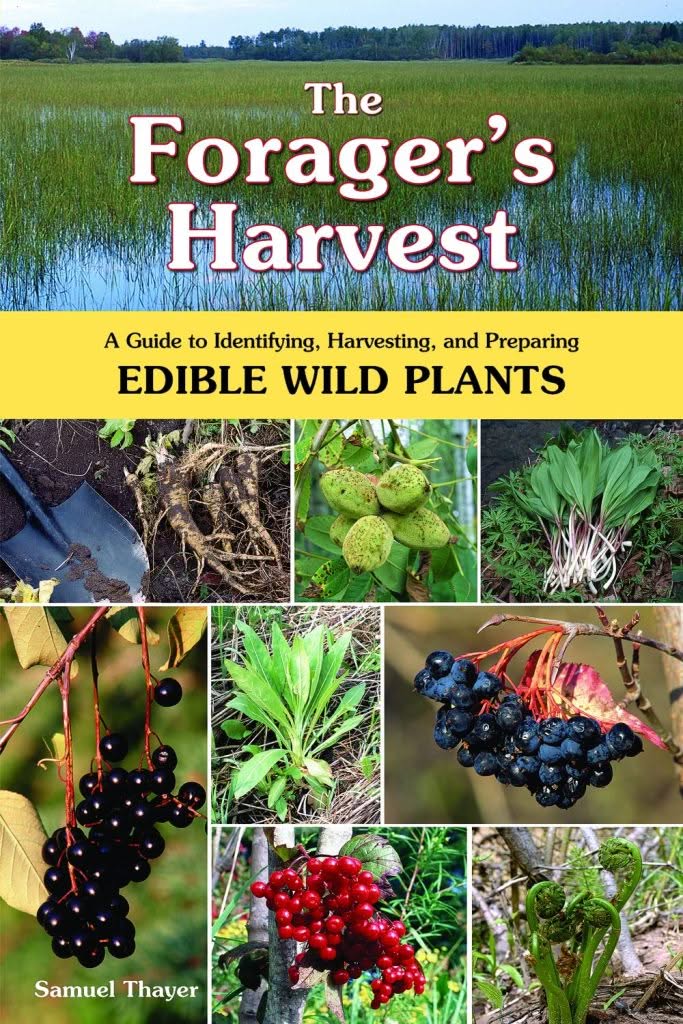
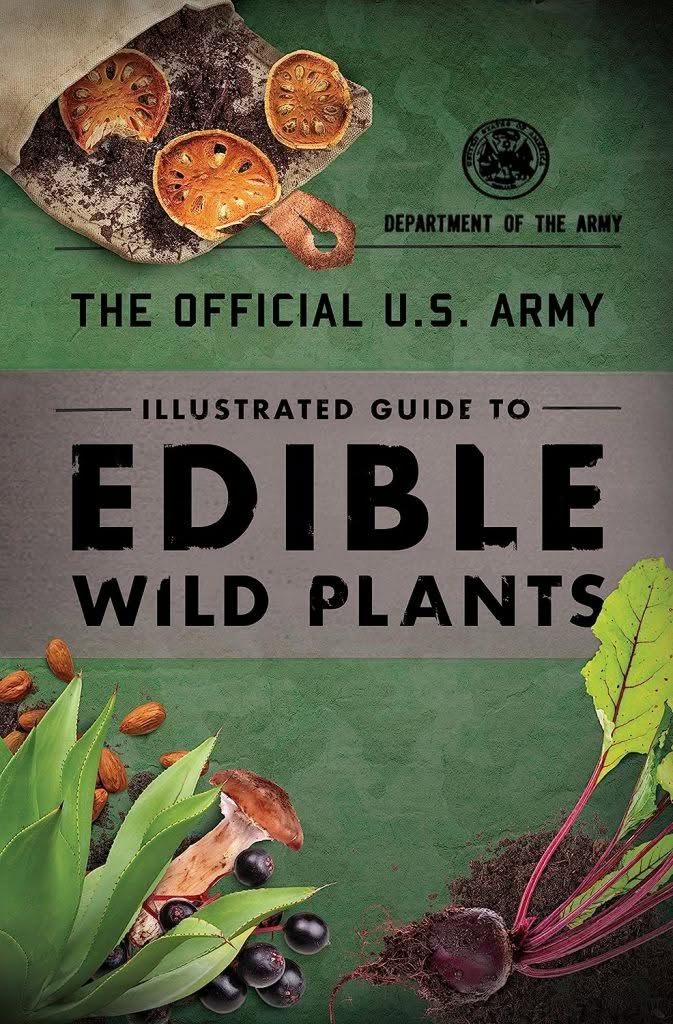
There are plenty of resources available to help you identify safe plants. You may want to start with a reference book.
Another good idea is to take a foraging journal. This can give you a general idea of what’s in season at any given time and help you plan your menu.
If you’re interested in trying out foraging, you may want to try to find a local foraging guide.
These guides can be helpful, especially if you’re entering a new area.
A good place to start foraging is in the woods or along a trail. But it’s important to be responsible. Remember that some species are protected, so you’ll need to seek permission before you do it.
Before you start, make sure you carry all the necessary gear.
This includes a hiking bag and good shoes. In addition, you should also wear bug and tick repellent.
It’s a good idea to leave some of the plants you find behind. This will ensure that they have a chance to regrow naturally.
Another thing to remember is to wash your foraging fruits and vegetables before you eat them. Similarly, you should rinse any seeds you find.
Some foods have come in contact with pesticides or fertilizers, so be aware of this.
Lastly, always check the leaves for toxins. White sap is a good indicator of this.
Preparing Your Foraged Food
Foraged foods can be a delightful addition to your meals, providing fresh, organic, and often unique produce.
Here are the steps on how to prepare them.
- Identification and Safety: Ensure you correctly identify each item you have foraged. Only consume plants and berries that you’re 100% sure of their identification.
- Cleaning: Thoroughly wash all foraged foods under cold running water to remove dirt or small insects.
- Preparation: Depending on the type of food, preparation may involve chopping, peeling, crushing or juicing. For example:
- Wild Garlic: Chop finely, just like regular garlic.
- Wild Berries: Can be consumed as is, used in baking, or made into jam.
- Nettles: Use gloves to handle and remove stems before cooking.
- Cooking: The cooking method can also depend on the type of food:
- Mushrooms: Can be sautéed in butter with some chopped wild garlic.
- Blackberries: Often used in desserts like pies or crumbles.
Overview
After everything is nice and clean, it’s time for preparation. Depending on the specific type of food, preparation techniques may vary.
Some items might require chopping, peeling, crushing, or juicing. Take wild garlic, for instance – chop it finely, just like regular garlic to release its aromatic flavors. On the other hand, wild berries can be enjoyed as they are, incorporated into delightful baked goods, or transformed into luscious jams.
Certain plants, like nettles, need special attention during preparation due to their stinging nature. Remember to use gloves when handling nettles and remove their stems before cooking them up into a delicious dish.
When it comes to cooking methods, adaptability is key! Different foods require different approaches. For example, mushrooms can be sautéed in butter with a sprinkle of chopped wild garlic for an earthy and flavorful side dish or ingredient in various recipes.
As for blackberries, they often find their way into delectable desserts such as pies or crumbles – perfect for satisfying your sweet tooth.
It’s important to remember that responsible foraging involves respecting nature and local regulations.
Only gather from areas where it’s permitted, and always be mindful not to over-harvest, ensuring the longevity of these natural treasures.
Now that you’re armed with these essential steps go forth and explore the wonderful world of foraged foods. Embrace the beauty of nature’s offerings and enjoy a truly unique and gratifying meal experience!
Remember that it’s important to only forage from places where it’s allowed and always respect nature by not over-harvesting.
Enjoy your meal!
Keeping a foraging journal
Keeping a foraging journal isn’t for the faint of heart, but a well-formulated one is a great way to test the waters and keep an eye out for interesting and unique places to munch on your bounty.
Foraging is a surprisingly fun activity to do, and being in the know about the best places to go is a bonus.
Getting outside in nature also helps ward off any diseases that may have been lurking in the woodwork. Having a notebook to jot down ideas and tips is also a good idea.
If you have a large group of friends and family, enlist their help to keep your foraging afloat.
It’s a social activity, and you’ll likely get a bunch of feisty foragers to show off their foraging mettle.
As a seasoned pro, you’ll probably have more than your fair share of amusing mishaps, but they’ll be a lot less embarrassing if you have a good idea of what you’re doing.
Keeping a foraging journal can be a hassle, but once you’ve got it down, you’ll be a foraging aficionado in no time.
Keeping a foraging journal isn’t something you do once and for all; it’s something you do for as long as you can stand it.
Keeping it updated and in the right places will reward you with happy and healthy foragers and a wealth of foraging swag.
Taking a foraging trip is a great time to reconnect with the natural world and enjoy quality time with your crew or furry friends.
Finding a mentor
Finding a mentor for local foraging can be a big help to a beginner.
With a foraging expert, you can learn about the types of plants in your area and how to identify them. In addition, a local expert can also provide you with insights about the climate and the species variations in the area.
To find a mentor, start by searching online. LinkedIn is one of the best places to look. Join groups in your industry and post questions on posts.
You can then build relationships naturally.
Then, try to meet with your potential mentor in person. If you have a strong relationship, you can set up regular check-ins. This way, you can ask your mentor any questions you have.
Finally, consider volunteering. You can work with your mentor to learn more about foraging and then use your new knowledge to improve your own foraging skills. Alternatively, you can take a job with your mentor.
Once you have a mentor, you will be able to develop strong foraging skills and learn about plants that are safe to eat.
But remember, it will take time to master the skill and to gain experience. Therefore, you should not give up if your first mentor is not a good fit.
You can also learn about foraging through the Internet.
There are many websites and mobile apps available that allow you to forage at your own pace.
For example, PlantSnap is a popular app that allows you to ID plants by photo. Also, there are several foraging books you can purchase.
Regardless of which method you choose, it is important to start building your foraging skills and your confidence in the field.
A mentor will help you learn about foraging and give you the support you need to become a successful forager.
Foraging Tools
Here are some essential tools that you might need for foraging:
- Foraging Basket: A sturdy basket to collect your finds. Wicker baskets are commonly used due to their durability and breathability.
- Field Guide: A good field guide will help identify edible plants, mushrooms, and berries.
- Knife: A sharp knife is useful for cutting stems and roots. Some prefer a folding knife for portability.
- Gloves: Protect your hands from thorns and nettles with a good pair of gardening gloves.
- Digging Tool: A small trowel or hori-hori (Japanese digging tool) can be very useful when digging up roots or tubers.
- Scissors or Pruners: These assist in snipping off leaves and stems without causing unnecessary damage to the plant.
- Notebook or Journal: To take notes about locations, habitats, characteristics of plants found, etc.
Remember, it’s crucial to respect nature while foraging.
Try not to damage habitats or overharvest.
Always make sure you have correctly identified something before consuming it; some wild foods have dangerous lookalikes!
Foraging Pros And Cons
Pros of Foraging:
- It’s a free source of food: The world around you can provide a diverse range of edible plants, fruits, and mushrooms.
- Educational experience: You’ll gain a deeper understanding and appreciation for nature as you learn to identify various species.
- Promotes healthy eating: Many wild foods are nutritionally rich, often more so than supermarket produce.
- Environmental benefits: Foraging is sustainable as it doesn’t require farming methods contributing to soil erosion or deforestation.
Cons of Foraging:
- Risk of misidentification: Some wild plants and mushrooms are poisonous. Mistaking these for edible ones can lead to serious illness or death.
- Legal restrictions: In some areas, foraging is illegal without permission from the landowner or governing body.
- Potential ecological impact: Overforaging can disrupt local ecosystems and endanger certain species’ survival.
- Time-consuming: It can take significant time to gather enough food while foraging, especially compared with shopping at a store.
Remember always to be respectful of nature when you’re foraging.
Only take what you need and ensure that you leave plenty behind for wildlife and the continued growth of the species.
Have fun!