Living Off Grid
Off grid living is an increasingly popular option for individuals who want to live in a more self-sufficient way. However, it requires a considerable amount of work and time. You must spend years developing your skills and becoming self-sufficient.
In addition, you must be able to live without the most basic of resources.
No products found.
Homesteading
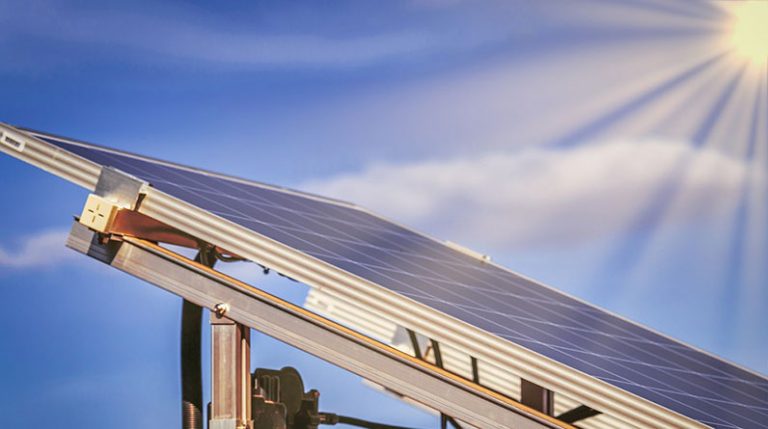
Homesteading for off grid living has many benefits, but it can also be a lot of work. You must be willing to forgo the modern conveniences of life like a cell phone, internet, and consistent electricity. Additionally, losing equipment can seriously affect your food production. As such, it’s important to find multiple sources of power. However, purchasing solar panels or other such equipment is not as easy as it sounds.
There are several ways to get off-the-grid land that will not cost you a lot. You can look for free land in your area or find someone willing to give it to you. In some areas, you can even get free land by working with a local business specializing in off grid land.
Alternatively, you can purchase a piece of land from a local eco-village or intentional community.
When considering off-grid living, it’s important to remember that the main focus is on sustainability and less consumption. Learning the basics of homesteading is important before attempting to take the plunge.
A homestead will also allow you to connect with nature and care for your environment.
If you have children, you can try homeschooling them while homesteading. Besides homesteading, you can also try your hand at raising livestock. You can try raising meat rabbits, chickens, ducks, turkeys, and goats.
Before homesteading for off-grid living, you should check your area for compatibility with solar panels and wind power. Some cities do not allow solar panel installations if they’re not connected to the grid.
Furthermore, some cities require homeowners to pay back their electrical bills to the state or the local electric company.
Also, you must consider the climate of your area. Some areas experience severe weather and short growing seasons, making life difficult.
Off-grid living
Off-grid living can take many different forms. Some people opt to remain connected to the power grid, while others try to use solar panels to power their homes. These individuals can then sell excess solar power to the power company. Other forms of off-grid living include “dry camping,” in which people live in a large RV with no electrical or water connections.
Whether you are living off-grid for personal reasons or to reduce your carbon footprint, off-grid living is a great way to live more sustainably and consciously. By eliminating your dependence on other people’s resources, you will save a lot of money and become more self-sufficient.
One of the greatest benefits of off-grid living is reconnecting with nature. Often, off-grid communities are located in beautiful remote areas, surrounded by dense forests, natural water sources, and wildlife.
As a result, you won’t have to worry about toxins and pollution. You can also disconnect your water supply from the town’s system.
Before starting off-grid living, you should first list your requirements. It’s important to prioritize your needs so that you can plan accordingly. For example, if you have a family of four, you may need a reliable source of energy during the day.
You may also want to have power for a movie night every weekend.
Whether you decide to build your own off-grid dwelling, you should check local building codes. Some states have strict rules on off-grid homes, requiring specific materials for the construction. Others prohibit the construction of makeshift structures.
In either case, it’s important to know your local building codes and permit zones before you start your off-grid project.
Self-sufficiency
Self-sufficiency in off-grid living involves reducing your dependence on public services and utilities. You produce your own food and energy, generate your own electricity, and manage your trash and waste. While this can seem difficult, it is possible, and it can be a rewarding experience. It is also much more in line with the spirit of American freedom.
Living off the grid allows you to live a simple life, free from government control, corporate consumerism, and Wall Street bankers. You’ll also be able to weather natural disasters without being tied to the grid.
For food, you can hunt or fish. While this can be time-consuming, you’ll save energy and have a constant food supply. Some people even use deer skins as clothing. They can also use the furs of alpacas and llamas to make warm clothing and accessories. Other people choose the middle road and buy cloth or make their own clothing.
Whether or not you choose to live off the grid requires a lot of planning and preparation. Ideally, you’ll be debt-free and have a decent amount of cash on hand. Cutting expenses is essential, and downsizing is often the first step to moving off the grid.
To begin your off-grid life, you need a plot of land close to a water source. You also need space for food, weapons, water, generators, and a workshop. If you’re living in a rural or suburban area, you’ll need to find a place with good soil.
You can get started by attending workshops and community events. Check your local paper for upcoming workshops. Another option is to check out online videos. There are countless resources on the internet that can teach you how to live off-grid.
No products found.
Costs
Living off the grid has many benefits, including a lower overall cost, but some upfront costs are also involved. For starters, you’ll need some start-up capital. The amount will depend on your location and desired lifestyle. It also depends on what you plan to use the land for.
Some areas offer free land, but it may come with conditions. For example, you’ll need a good water source and electricity.
The cost of off-grid living can range from a few thousand dollars to a couple hundred thousand dollars, depending on how luxuries you want. A simple shelter can be built for less than $15,000.
The more complex systems that you’ll need, the higher the cost. But if you’re ready for this type of life, the benefits are well worth it.
Electricity bills are one of the most common expenses for off-grid living. A typical home spends $150 to $500 per month on electricity and between $1,800 and $6,800 per year on water and waste. On the other hand, natural gas costs $82 a month or $984 per year. That’s a large amount to spend each year for an average family of four.
In addition to electricity, you’ll need to install a well for water. The costs of installing a well will vary based on the soil quality and the location of your home. You can also use a rain catchment system for water if you don’t have a well. Water is a vital part of life off the grid, and obtaining water can be a major challenge.
The land is also a huge upfront expense. You can purchase land for only a few thousand dollars in some areas. Land prices vary a lot across the U.S.; you’ll need more land if you live off the grid.
Legality
Whether or not off-grid living is legal depends on the local jurisdiction. Some states have laws against it. Others allow it. In Arizona, for example, you have to pay a fee to install solar panels. However, you may be free to do so in other states, such as Pennsylvania.
Some states have zoning laws designed to balance individual property owners’ rights with the needs of the community. These laws are supposed to help promote a safe, healthy, and orderly living environment. However, some homesteaders have complained about being forced to live next to a dirt racing track.
While living off-grid in a rural location isn’t against the law, it’s important to check with your local government before building a self-sufficient home.
The legality of off-grid living may be a concern for many people, but it’s perfectly legal to live off-grid in many places. This doesn’t mean you can’t use electricity, but you need to be aware of how the laws and regulations of your area affect you.
Legalities and local laws aren’t always easy to find, but with some basic knowledge, you’ll be on the right track.
While many cities don’t have strict laws against off-grid living, many out-of-the-way towns and villages are happy to give people unused acreage for free or almost free. You’ll probably have to find them yourself, though; they’re not posted online.
You can also try adverse possession – the process of obtaining an unused parcel of property for free, which is legal in nearly every state.
Some states are more supportive of off-grid living than others, but some are more restrictive than others. Some states have strict rules regarding homeschooling and alternative waste disposal systems. You can use off-grid electricity in Nevada, but you’ll need a permit.
Additionally, Nevada has very strict laws against alternative waste disposal and other off-grid living practices.