Emergency Preparedness Plan – Car
Your car is an important part of your emergency preparedness plan. Whether you’re driving to work or traveling on vacation, your car should be as prepared as possible. It should have battery-operated flashlights and a car disaster preparedness kit, as well as cash in case you’re stranded. During a disaster, ATMs and credit card machines won’t work, so you’ll be living in a cash economy. Aside from cash, you should also have enough personal care items for three days.
No products found.
Reliability
The ability to assess emergency preparedness and response performance is crucial to homeland security policy analysis. Emergencies, such as terrorism and natural disasters, require accurate and reliable data on emergency response performance and preparedness. Systems engineering and systems analysis are useful tools for assessing the reliability of emergency response systems. Researchers have developed a modeling approach that evaluates the likelihood of individual system failures and their consequences.
The reliability of a response system can be measured by analyzing response reliability curves for different emergencies. For example, a disaster response system in a hospital or data center may have different risks than one for a car. This means that a disaster response plan should consider the risks of different disasters.
Preparedness
Whether you’re driving for pleasure or need to get to work on time, having an Emergency Preparedness plan for your car is important. Disaster can strike anywhere, and you need to be prepared. There are many ways to prepare your car and keep yourself and your family safe.
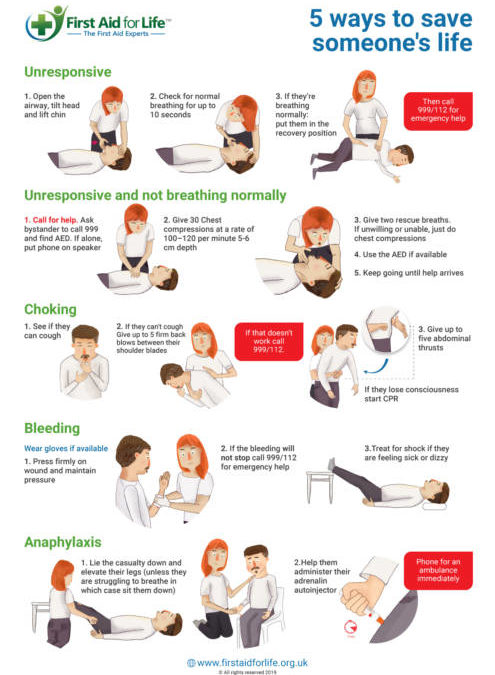
For example, having a first aid kit in your car is essential for various roadside emergencies. In addition to first aid supplies, you should have food, water, a flashlight, and a blanket with you. These items can make or break your day if you’re stuck on the side of the road.
Having a working cell phone is also essential. The ability to call 911 and communicate with family members is critical. You should also have a functioning car jack and a spare tire. In addition, road flares should be in your car as well, which will alert other drivers to your breakdown. If you’re unfamiliar with using a road flare, make sure you read the instructions carefully before lighting it. Also, carry a flashlight in your car and ensure it’s visible. Be sure to pack batteries separately, as well.
Another great way to ensure that your car is prepared is by regularly maintaining it. Even if you’re not in danger, having a car that’s ready for an emergency situation is essential to peace of mind. You’ll want to keep the car running as smoothly as possible, so be sure to maintain it regularly. Also, remember to use a roadside assistance service in case of an accident or breakdown.
Contact information
One of the most important aspects of emergency preparedness is having up-to-date contact information. This way, in case of an emergency, you can contact the people you need to help. The emergency preparedness plan should be made up of your contact information, as well as any emergency procedures you’ve put in place.
No products found.
Roadside emergency kit
Roadside emergency kits are useful supplements to a bug-out bag. While a pre-assembled kit is better than nothing, custom-made kits are even better. Here are some things to look for when purchasing a roadside kit for your car. They should contain all the necessary tools to get your vehicle back on the road.
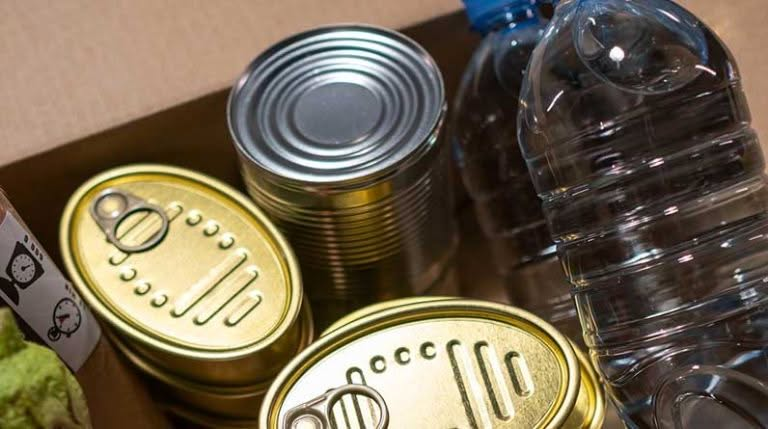
Nonperishable foods and pet food are also good items to include in your kit. Also, consider the weather where you live and what kind of driving habits you have. If you drive a lot during the winter, consider getting an ice scraper and a snow brush for emergencies. You may also want to purchase extra windshield wiper fluid to keep the windshield clean in case of rain or mud. In case of an emergency, you should also carry a portable lithium-ion battery to recharge cell phones and laptop computers. These are inexpensive and rechargeable.
Roadside emergency kits can be easily assembled at home. It is best to choose a brightly-colored kit to make it easier to find. The kit should also be easily accessible, with dividers and compartments for different supplies. You can create a roadside kit for each vehicle in your family. Remember to update your kit every six months or so.
A roadside emergency kit should also contain a first-aid kit. The kit should include band-aids, gauze, antiseptic wipes, and first-aid tape. In addition to these essentials, a good kit will contain a guide with helpful advice on how to deal with common injuries.
Cash
Emergency preparedness supplies in your car can be vital if you are caught in the middle of a disaster. This emergency preparedness kit should include things such as battery-powered flashlights, personal care items, and other essentials. In case you cannot afford to buy the supplies you need at once, this emergency preparedness kit should also contain enough cash to cover your needs for at least three days.
Keeping a stash of cash in your wallet or in your car is also important. Having some cash on hand in an emergency situation can make your situation a lot less stressful. For example, if your car breaks down and you are stranded in the middle of nowhere, you may not have access to an ATM, credit card, or bank. If possible, keep at least one hundred to two hundred dollars in your wallet and your car. It is better to keep smaller denominations because larger bills can be difficult to break.
No products found.
You should also put a few hundred dollars in a fireproof safe. It is not a good idea to put this money under your mattress or freezer or under frozen steaks. A fireproof safe should be a safe and secure place to store this emergency money. If possible, try to spread out your emergency cash into singles in your wallet or glove compartment, and $200 in a fireproof safe. Having an emergency preparedness plan in place is essential to avert a major disaster and save yourself from a crippling financial setback.
Keeping extra cash in your car is important, but it’s never a good idea to keep too much money in your car. It is better to store it in a separate emergency preparedness bag.