
Unlock the Secrets to Keeping Your Grains and Rice Fresh for Decades
Preserving grains and rice isn’t just for preppers planning for a rainy day; it’s about ensuring your staples last longer and taste fresher.
These are invaluable survival foods and a linchpin in prepping strategies due to their balanced nutritional profiles, affordability, and long-term storage potential.
But how do you ensure they remain in top-notch condition? The right techniques and storage tips can significantly extend their shelf life.
Understanding Grains and Rice in Prepping
The Nutritional Benefits of Grains and Rice
Grains and rice pack a powerful punch when it comes to nutritional value.
They are staple foods that provide essential carbohydrates, fiber, and various vitamins and minerals.
Brown rice, for instance, offers magnesium and selenium, while oats are rich in soluble fiber that can aid digestion.
These nutrients are crucial in maintaining energy levels and overall health, making them perfect for any long-term food storage plan.
Grains and Rice as Long-Term Survival Foods
Why are grains and rice so vital in food prepping for survival? They’re versatile and filling and last for years when stored properly.
White rice can last over 30 years in the right conditions, making it a prepper’s go-to.
Grains like wheat, corn, and oats also serve multiple purposes, from making flour to creating cereals or breads, offering variety and sustenance when access to fresh ingredients is limited.

- Help Organize Your Kitchen and Pantry—-Imagine every time walking to your kitchen or pantry, found everything is neatly organized. No longer messy, you can get everything you want very quickly. With the stackable and space-saving design, these containers will make more efficient use of every inch of your kitchen pantry cabinets.
- 4 Size Combinations Fit Your Needs—-Our kitchen storage containers set comes in 4 different sizes. Includes 1 Tall Container (2.5quart/2.8 liters), 4 Large Containers (1.8quart/2.0 liters), 6 Medium Containers (1.5quart/1.6 liters), 4 Small Containers (0.7quart/0.8 liters). Perfect for storing spaghetti, baking supplies, cereal, flour, sugar, oats, pasta, rice, coffee, tea, snacks, nuts and other dry goods.
- Airtight Containers Keep Food Fresh—-The side-locking lids with silicone gasket make these storage containers airtight, and the top flips open easily. Airtight storage system will always keep your food dry and fresh. All have the same lids make it easy to wash dry and reuse with ease.
- BPA Free and Food Grade Material—-Vtopmart pantry storage containers are made of durable plastic, BPA free, which have a longer life than many other brands plastic containers. Clear containers make it convenient to see what’s inside, you can easily get what you want without opening every container.
- 24 Reusable Labels —-Except 15pcs dry food storage containers, you will also receive 24pcs labels. They are reusable, you can switch contents whenever you need. Just wipe clean with a damp cloth to change what you have written, Peel and Re-stick.
Last update on 2026-10-21 / Affiliate links / Images from Amazon Product Advertising API
Best Storage Methods for Grains and Rice
Choosing the Right Containers
Containers can make or break your storage plan.
Mylar bags paired with oxygen absorbers are ideal for creating a microenvironment safe from moisture and pests.
Another effective approach is using food-grade plastic buckets, which provide a sturdy, air-tight option.
Glass jars work well for smaller quantities, offering a transparent, pest-resistant solution.
Optimal Storage Conditions
Storing grains and rice is not just about the container. Temperature, light, and humidity all influence shelf life. Keep grains and rice in a cool, dark place.
High temperatures speed up the degradation process, while light can bleach and spoil them.
To keep your stash fresh and nutritious, aim for a storage environment below 70°F with less than 15% humidity.
Vacuum Sealing vs. Traditional Methods
Vacuum sealing can extend the shelf life by removing air, one of the primary culprits of spoilage.
Compared to traditional methods like simply sealing in a bag or jar, vacuum sealing is more effective but comes with added cost and equipment needs.
Weigh the pros and cons based on your budget and prepping strategy to choose the best approach for you.
Tips to Extend Shelf Life
Temperature Control
Maintain consistent temperatures to ensure your grains and rice stay fresh. Ideally, you want storage temperatures between 40°F and 70°F.
A steady temperature prevents condensation, which can lead to mold and spoilage.
Preventing Pest Infestation
Pests love grains and rice as much as we do.
To deter them, consider adding bay leaves to your storage containers or opting for vacuum-sealed bags to keep them out entirely.
Regular cleaning and checking of your storage areas can help detect and eliminate unwelcome guests before they create problems.
Regularly Checking Supplies
Treat your stored grains and rice like fine wine; they improve with age, but only if stored correctly.
Set a regular schedule to check for signs of spoilage, pests, or changes in quality.
This proactive approach helps you stay on top of your prepping game and ensures your food is ready when needed.
When to Rotate Your Stock
Understanding Expiration Dates
While grains and rice can last long, they have limits.
Understand expiration dates as general guidelines rather than hard stops.
Look for signs that they’ve surpassed their prime, like odd odors or off-putting tastes, and replace them as needed.
Signs of Spoilage
It’s crucial to recognize spoilage. If your grains or rice exhibit any off-smell, mold, or weevils, discard them.
Trust your instincts; they probably aren’t if they don’t look or smell right.
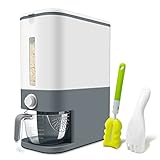
- 【Rice Dispenser Keep Food Fresh】As a general rule, regardless of the variety of uncooked rice, the best way to avoid spoilage or infestation and extend shelf life is to keep it in storage containers in a cool, dark, dry place. Lenwi Rice Container help store your rice clean and dry to stave off damaged or moisture. A good rice container replaces bag storage,so there is no mess in the kitchen; just scoop your rice out of the container and put it in a pan until it’s ready to serve
- 【Kitchen Hacks with Built-in Fresh Box】It is advised to store grains and pulses in containers in cool, dry places. But despite taking all precautions, you may still have noticed damaged and moisture crawling in them, making you repeatedly clean and rinse rice to get rid of them. At this time, you can effectively use our built-in Fresh Box to completely eliminate external infestation. Just put in some desiccant, garlic, cloves or bay leaves
- 【BPA-Free & Food Grade Material】Lenwi rice dispenser is made from high-quality materials, BPA-free, contains no harmful substances. Making rice container durable enough for long-lasting use. Dustproof for using an extra sealing ring on the rice dispenser. This cereal storage containers are perfect for storing rice, nuts, beans, snack, cereal, pet food storage etc
- 【Effortless Use】This Lenwi Rice Dispenser was designed with your convenience in mind. 1. transparent scale line make it easier for you to check its contents without open the lid; 2. Set the amount of rice you want for an easy one-touch button without open the lid; 3. measuring cup ensures that you are able to scoop the rice out of the container in equal amounts. And it also does not take up much space in your kitchen in case you prefer to keep it there
- 【Satisfaction Pledge】 We want you to be absolutely elated with your rice dispenser, which is why we are offering you a Risk-Free purchase. Purchase Now Enjoy Fresh Food Every Day
Last update on 2026-10-21 / Affiliate links / Images from Amazon Product Advertising API
Grains and rice form the bedrock of any solid prepping strategy for survival foods.
By understanding their nutritional benefits, employing the best storage methods, and learning to identify signs of spoilage, you can keep your pantry stocked and your family fed, even in the most challenging circumstances.
Adopting these strategies ensures you’re prepared, come what may, with staples that stand the test of time.
The Ultimate Guide to Grain Storage: How to Store Whole Grains, Beans, Corn, and More
Have you finally decided to take control of your food storage?
Maybe you’ve recently bought some whole grains and are ready to start milling your own wheat, baking healthy bread, and storing those grains for the long haul.
But when it comes to grain storage, confusion often creeps in.
How do you store grains long-term?
Should you freeze them first?
Do you need special containers like Mylar bags?
How do you keep bugs and moisture away?
Don’t worry; we’ll explain the most essential steps for protecting your grains (and your investment) over the long term.
Why Proper Grain Storage Matters
Before we dive in, let’s take a moment to understand why proper storage of grains is crucial.
Grains and beans are more than just food—they’re seeds.
If exposed to moisture, they’ll begin to sprout. If exposed to air, they can lose their nutritional quality. And, of course, exposed grains are vulnerable to pests.
Whether you’re storing wheat berries, rice, beans, corn, or other dried grains, maintaining proper storage conditions is key to keeping them fresh and safe.
The Best Containers for Grain Storage
One of the most common mistakes in grain storage is using the wrong container.
The right container is essential to keeping your grains safe from moisture and pests.
Here’s a breakdown of your options:
Buckets and Lids
- 5-6 Gallon Buckets: These are your go-to if you store large amounts of grains (25-50 pounds). They’re durable, stackable, and easy to find at stores like Lowe’s or Home Depot. A 50-pound bag of grains (like wheat or corn) will usually fill just over a 5-gallon bucket so that a 6-gallon bucket might be ideal. However, a 3-gallon bucket will also do the job for smaller batches.
- Tip: Check that your buckets have good-quality lids that seal tightly to keep pests out. Gamma lids are an excellent upgrade for easy access to your stored grains. They offer a screw-on feature for quick access while ensuring an airtight seal.
Glass Jars
- Mason jars: Sometimes, sticking with glass is best for smaller amounts. Half-gallon mason jars are perfect for beans or smaller grain quantities.
- They’re especially useful if you’re storing around 5 pounds of grains—you can keep them in your kitchen for easy access. Plus, they look really nice displayed on your kitchen shelves!
Which to Choose?
The container you choose will depend on how much grain you’re buying.
If you purchase large bags (25-50 pounds), stick with 5- or 6-gallon buckets.
For smaller amounts (5 pounds), mason jars or other glass containers may be more practical.
Freezing Grains: Is It Really Necessary?
Here’s a question I always hear: Should you freeze your grains before storing them?
The short answer is no, at least not for wheat berries.
Wheat berries are incredibly resilient and have been stored successfully in hot, humid environments for years—without being frozen.
Just keep them dry and sealed, and they’ll store beautifully.
Remember, you don’t need to freeze to avoid pests if your storage area is well-managed.
When You Should Freeze
There are a few exceptions to this rule:
- Rice and Corn should be frozen for 24-48 hours before long-term storage. This step is vital to killing off those tiny pest eggs you can’t see but can hatch later. Transfer them to your storage containers once they’ve been in the freezer for at least 24 hours.
- Grits or Whole Cornmeal: Like corn and rice, grits and whole cornmeal must be frozen because they’re more vulnerable to weevils and other pests. The freezing process will eliminate unwanted bugs.
On the other hand, storing grains like beans doesn’t usually require freezing.
I’ve stored beans for years without any problems. If in doubt, you can toss them into the freezer for peace of mind, but it’s not typically necessary.

- SMART KITCHEN STORAGE: Get your pantry perfectly organized with the Easy Essentials Pantry 50-Cup Dry Food Storage Container with Combination Lid and Measuring Cup.
- DURABLE: Strong, lightweight design makes it easy to grab ingredients right from the shelf and the big size is ideal for use as a pet food container
- NO MESS, STAYS FRESH: Enhanced silicone seal keep foods fresh longer and prevents spills
- BPA-FREE FOOD CONTAINER: Peace of mind for healthy, happy food storage
- CONVENIENT: Features an easy flip-up top and convenient serving cup and is dishwasher safe for quick cleanup
Last update on 2026-10-21 / Affiliate links / Images from Amazon Product Advertising API
How Much Grain Will Your Container Hold?
When figuring out storage, you must know how much grain different containers can handle.
Here’s a quick rundown based on the size of your container:
- 5 pounds of wheat = 1-gallon glass jar
- 25 pounds of wheat = fills about half a 5-gallon bucket
- 50 pounds of wheat or corn = just over a 5-gallon bucket (you may need a 6-gallon bucket)
- If you’re dealing with something like oats, be aware they take up more room than other grains because they’re lighter. A 50-pound bag of oats may fill up to three 5-gallon buckets, so always consider that when buying.
Extra Tips for Long-Term Grain Storage
Now that you’ve got your containers and freezing protocol down let’s discuss some extra steps to ensure your grains stay safe:
Oxygen Absorbers
Oxygen absorbers are small packets designed to remove oxygen from your storage container.
Using them can greatly extend the shelf life of your grains by preventing oxidation and killing any bugs that might enter.
They are especially useful for grains you plan to store for long periods without opening.
Mylar Bags: When to Use
You’ve probably heard a lot about Mylar bags in food storage discussions.
While they’re great for things like coffee beans or freeze-dried foods, they’re not necessary for grains like wheat, rice, or corn, which are already stable.
The major reason to use Mylar bags is to maintain flavor (and, for some foods, nutrition) over long periods.
You don’t have to worry about this with wheat and other grains; they are stored just fine in buckets or glass jars.
Location: Storing in Non-Climate Controlled Spaces
Wondering if you have to store your grains in a temperature-controlled environment?
Not at all.
Using the right containers, you can safely store your grains in a shed, garage, or outside.
Ensure your grains are sealed properly to avoid humidity, pests, and sunlight.
I live in Florida, where it’s hot and humid, and I’ve stored wheat berries in an uninsulated shed for years without any problems.
You’re good to go if moisture and pests are kept out!
Grains and Rice Shelf Life Conclusion
Storing grains doesn’t have to be complicated or overwhelming.
With the right containers, knowledge of what needs to be frozen, and a little attention to detail, you can safely store your grains for months—or even years.
Remember, grains like wheat berries don’t require freezing.
Corn and rice do.
While oxygen absorbers and Mylar bags are useful for certain foods, they aren’t always essential for grain storage.
Invest in good containers to keep moisture and bugs out and keep your grains fresh for the long term. Do you have more questions?
Feel free to drop them in the comments below—I’m happy to help!
Oh, and before you go, remember to grab the free grain storage calculator so you can figure out exactly how much grain you should store for your family.
Happy storing!






One Comment