Water Collection and Storage for Preppers
If you’re looking to collect and store water for prepper purposes, there are a few things you should know. First, it’s important to understand the difference between potable and nonpotable water, so you can choose the right filtration system.
If you’re not ready to invest in a high-end system, you can also use basic filtering methods. These include boiling and a charcoal filter.
Setting Up and Using Rain Catches
Rainwater is a valuable resource for preppers because it can be used in a variety of ways. It can be collected, stored, and filtered to make it suitable for drinking, cooking, and other purposes.
The process of collecting and storing water can be as simple as a rain barrel or as complex as an elaborate cistern system that supplies your entire household with fresh, clean water for drinking, cooking, and bathing. Both methods have their benefits and drawbacks, so you should be sure to choose the one that best suits your needs and your budget.

Last update on 2026-10-13 / Affiliate links / Images from Amazon Product Advertising API
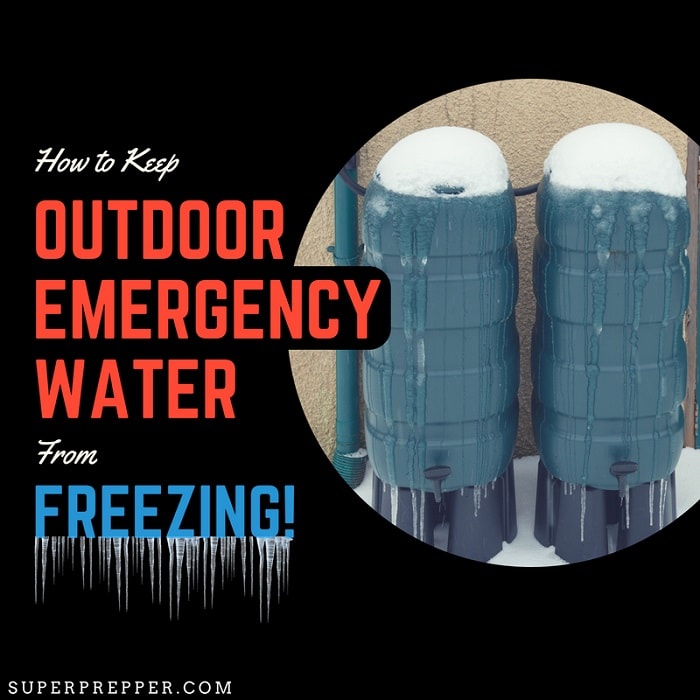
A rain barrel is a common way to collect rain runoff from a roof and store it for later use in lawns, gardens, or indoor plants. They typically include a plastic storage barrel, a secure lid, a basket strainer or screen, and a spigot or drain valve that directs the water into a storm drain.
They can be set up to collect as much or as little rain as you need, and they come in a variety of sizes so you can find the perfect fit for your property. The largest rain barrels can hold up to 1,000 gallons of water, while smaller models can hold up to 55 gallons.
Another great way to store rainwater is in an above-ground or underground cistern. They are also available in a wide range of capacities, from small 50-gallon units to 100-gallon ones. They can be buried or placed on a platform, and they can be made from a variety of materials, including metal and concrete.
Cisterns are more expensive than rain barrels, but they can have a larger capacity for storing water, which makes them an ideal option for many preppers. They also tend to be easier to set up, as they can be installed close to the roof.
Depending on your location and the size of your home, you may need a more complex system to maximize the amount of water you can collect. This is because the amount of rain a roof can capture varies, and certain types of roofing material and branches can impact the efficiency of your system.
Collecting Water from Natural Sources
Water is vital to your survival, whether you’re in a bug-out location or stranded in the wilderness. There are a few ways you can collect water from natural sources.
One way is to simply use containers such as buckets or plastic sheeting to gather rainwater. You can even tie a poncho on a slight slant so that it collects the rain and drains into the container. This is an excellent way to collect water if you don’t have access to a centralized storage vessel.
Another method to collect rainwater is by using a still. You can construct a small still using a simple barrel or jar with a spout and a piece of bark. You’ll want to place the barrel in a clear area so that you can see where the water is coming from.
The best place to find a still is where the water is flowing fast, preferably close to a bend in a river. Ideally, you’ll want to collect water from the fastest section of the stream so that it has the quickest route through a filter to remove any debris.
Other great places to find a still is on the shore of a lake or other large body of water. This will give you access to clean, filtered water that won’t be affected by the natural elements of the environment.
If you’re stranded or in an area where there isn’t a dependable water source, you can also use your sense of smell to locate water. Certain trees, plants and fungi can only thrive around water and they’ll be easily recognizable.
You may also be able to hear water running near you and this will help guide you to where it is. Try to stop and listen for any sound of water trickling down a slope or dripping from a rock. This could be a sign that a pond is nearby.
If you’re in a very remote area where you can’t easily find a way to a dependable water supply, a well might be the only solution. A good prepper should have a survival shovel and be prepared to dig a well as soon as they can to help sustain a water supply.
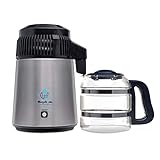
- YOUR SAFETY COMES FIRST: This Megahome distiller is UL (Underwriters Laboratory) approved. UL is the trusted independent global safety science company for US products, and determines product compliance with stringent safety standards. PLEASE NOTE: For fire safety, many home insurance policies require that electrical products installed in the home be UL certified. Megahome distillers are one of the only UL approved water distillers available.
- BEST QUALITY: Full 304 stainless steel interior and exterior, including the boil chamber, upper steam dome, and stainless condensing coils. Water does not touch plastic.
- PUREST WATER: Distills 1 gallon every 5.5 hours. Distills the water at 212 degrees Fahrenheit which is the proper temperature for removing unwanted toxins and contaminants. It also includes 6 (optional use) high quality activated charcoal filters. The optional filters are used when VOCs like chlorine or other toxins that can form into a vapor are present. The filters capture and remove these toxins during the distillation process.
- GLASS COLLECTION: This distiller includes a durable and easy to use porcelain lined nozzle, and a glass collection bottle. This ensures the purest and safest distilled water for all of your needs.
- BEST SERVICE INCLUDED: Every Megahome distiller is backed by a 1 year warranty. The service and support is what you would expect from a top quality appliance and company. No need to worry about warranty, customer service, or parts, Megahome distillers have been on the market for over 22 years and are the top selling distiller in the world.
Last update on 2026-10-13 / Affiliate links / Images from Amazon Product Advertising API
Filters for Water Purification
If you’re a prepper and you need to stay hydrated, you should always be carrying a water filter. They are small enough to fit in your pocket, and they can easily remove parasites, bacteria, and viruses.
A good filter will also remove pesticides and other chemicals from your drinking water. You can even find ones that will remove heavy metals, like lead.
Whether you’re a hiker, a backpacker, or an urban survivalist, you should always have a water filter in your pack to avoid consuming contaminants in the wild. It’s also a good idea to have one in your home in case of an emergency where you lose access to clean drinking water.
There are a few different types of filters available for use in a survival situation, and the type you need will depend on your specific needs. These include straw-style filtering systems, pump filters, and gravity filters.
Straw-style filters are popular among preppers because they’re lightweight and easy to transport. They’re also relatively compact and will have a lifespan of several years. They also require no batteries or moving parts to break or wear out, which makes them a good choice for survivalists who don’t want to carry around a large, bulky piece of equipment.
Some straw-style filters can be hooked into a container and hung over a sink to allow for easier collection of water. Others are designed to fit into a bucket or other container.
Another great option is a hollow fiber filter, which contains tiny tubes of membrane material that can be pushed back and forth through. They remove larger particles than a screen filter, but have a longer lifespan and don’t require a replacement membrane.
Finally, there are UV devices and water treatment tablets that can make questionable water bacteriologically safe to drink. They can be expensive up front but can save your life if you are in a remote area and have limited access to clean water.
There are also a few DIY options for filtering your water, such as making a sapwood/tubing filter out of a tree or a small green branch. The sapwood can effectively eliminate 99% of bacteria and can be a very effective way to treat water.
Chemical Based Water Purification
Water is a valuable resource, so it’s a good idea to have a hefty supply on hand in case of an emergency. A disaster of any kind could leave you with no drinking water for days, if not weeks. Fortunately, there are a few tricks up our sleeves to keep you hydrated in the meantime.
For starters, you’ll want to collect as much rainwater as possible. This way, you can be sure you’re getting the distilled water you need and avoiding the contaminants you don’t.
Next, you need to figure out how to purify it. Boiling is the most obvious option, but there are some other options to consider.
One of the more enticing is distillation, which uses a vacuum and heat to create a liquid that’s safe to drink.
Another is the SteriPen, which uses UV light to purify water. The best part is that it’s battery-powered, so you won’t have to worry about lugging around a power cord. The aforementioned SteriPen is also the largest of the three, which means it’s the most expensive and might not be practical for everyone. The aforementioned water bottle and gallon-sized containers are also good options for storing water.
Of course, you’ll need to determine what type of emergency situation you face and which types of water purification systems will work best for you.