Prepping Essentials
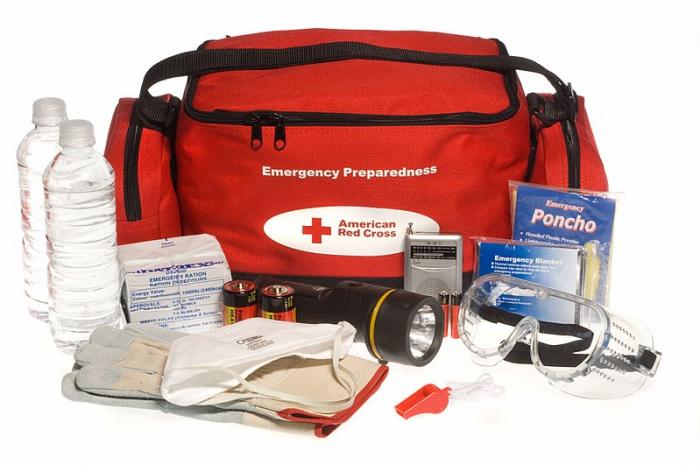
To survive a disaster, you must prepare yourself with the right supplies. You have to know which ones to buy, how to store them, and how to rotate them.
These are all very important factors to consider.
Food storage
A good food storage plan should include a variety of foods. It should also be stored in a dry location, away from rodents.
For a longer-term food supply, you can put dry beans, grains, or dried fruit in your storage. The beans have a low water content, which means they can last for years.
No products found.
Another option is to store loose grains in PETE plastic bottles. These are made of polyethylene terephthalate and will keep out moisture and oxygen.
Lastly, glass jars are great for storing dry goods. However, they are fragile. They take up as much space as an empty jar, so choose ones with a reusable lid.
If you’re looking for long-term food storage, consider purchasing a home freeze dryer. This will save you money and guarantee that your food will be safe when needed.
In addition, it’s a good idea to have some canned or packaged items on hand. Canned items are easy to find and inexpensive. But they’re prone to spoiling, especially when exposed to light and moisture.
Some people store a year’s worth of food at a time. Others only have a few months’ worth of supplies. Whatever you choose, remember to check it periodically for integrity.
When preparing for a disaster, it’s important to remember that humidity and temperature can change the quality of grains.
Storing foods in a dark, dry area can also prevent them from worsening.
Dried fruits are a must-have in a prepper’s food supply. Apples, raisins, and apricots are common options.
Depending on your needs, you may want to create a list of foods you’d like to store. You’ll need to plan to prepare for a crisis.
When preparing for a natural disaster, it’s important to remember that your goal is to have enough food and water to last for six months.
Having a food storage plan can alleviate stress during a crisis.
While a 10-year food supply is a good idea, surviving a crisis might not be necessary. You might be able to survive with a more basic supply, and you’ll need to prioritize your finances.
Water storage
Water is a vital part of any preparedness plan. You can easily dehydrate if you don’t have access to clean drinking water. The good news is that there are several ways to combat this problem.
One of the most effective ways to preserve your water is to store it in a sealed container. For example, you can use a jerry can.
These small bottles are convenient to transport and are smaller than a larger water tank.
Another way to protect your drinking water is to purify it. You can do this by using a water filter. A quality countertop drinking water filter can be invaluable in a survival situation.
Adding iodine to the water also helps kill bacteria.
No products found.
Purchasing a water storage unit is another option. They come in various shapes and sizes. These can be transported by motor vehicle or by hand.
When choosing the best container, consider the size of the bottles you intend to put inside. If you are only storing a few bottles, you might want to opt for a large one. Larger containers are also useful for bartering purposes.
If you’re looking to store a large amount of water, you may consider purchasing a rain barrel. Rain barrels are cheap, safe, and eco-friendly. However, you should filter the water before you drink it.
Other options include an underground water tank and stainless steel. While both are excellent ways to store water, the underground option requires more work.
This is a major drawback for many preppers.
There are also numerous other things to consider when shopping for your own water storage solution. First, consider the size and shape of the bottles you intend to store.
Also, consider your location. Some locations are more susceptible to flooding than others.
By storing a few extra bottles in your home, you can ensure you’ll have a backup supply during a disaster.
Finally, it’s important to remember that you can’t store water indefinitely. The average person can’t survive more than three days without water.
No products found.
Medical supplies
Preppers know that medical supplies are an important part of any survival kit. A basic emergency kit can be assembled using items already in your home.
You may want to consider stocking antibiotics for emergency use. In addition, some preppers take the time to stow away prescription painkillers.
Choosing the right medical supplies is no easy task. The best way to do it is to organize the supplies into categories and rotate them out regularly.
This will make it easier to find what you need when you need it.
There are many ways to go about organizing your supplies. For instance, you can keep an ice pack in the freezer and rotate your medications out regularly.
Or, you can store all your medications in an airtight container. These are a great way to protect your medications from humidity and extreme temperature fluctuations.
Organizing your medical supplies into the right categories is a big step towards ensuring that you and your family will be prepared for anything.
Luckily, plenty of checklists are out there, so you’ll have a good idea of what to include.
Identify the most important and key medications for your family. For example, if your family suffers from chronic headaches, you’ll want to stock up on some OTC pain relief medications.
Likewise, if you’re prone to diarrhea, you might want to stock up on products that replenish the electrolytes you’ve lost during the sickness.
Another item to look into is your pet’s medical needs. You’ll need to keep a few extra supplies on hand, including an emergency binder with essential documents, such as a veterinarian’s name and phone number, and a few basic first aid kits.
Keeping track of your medications is also an important task. This means keeping a list of medicines and their expiration dates in a safe place and ensuring the containers are child-proof.
It’s also a good idea to talk to your doctor and pharmacist to get a plan in place.
While you’re at it, you might want to check out The Prepared website, which teaches you about survival medicine and other pertinent topics.
Waste management
When planning for a disaster, knowing how to dispose of your solid waste, human waste, and other materials is essential. For example, it is critical to have a backup supply of water.
You may also need to have a plan to clean clothes without using machines.
Also, if you need to evacuate, having food and personal hygiene items in your emergency binder is important.
The coronavirus crisis provides a good opportunity to establish a sustainable waste management system. It highlights the need for additional waste management infrastructure in the country.
However, it also reveals gaps in pre-pandemic municipal waste management.
For instance, the European Commission formulated a guidance document for waste management in the context of the coronavirus crisis.
This document stresses the importance of separate collection and recycling in accordance with EU law. Another key issue is ensuring that proper MSW management services are maintained.
No products found.
Additionally, monitoring your infrastructure’s social and economic feasibility is crucial. A faulty or poorly maintained sewage system can cause problems such as odor and backflow.
Furthermore, you should have an effective contingency plan if the sewer backs up. Some of the most common reasons include a broken line or plug, a line break, or a line failure.
You should have a first aid kit, OTC drugs, and a fire starter to ensure your safety.
Managing waste properly can help prevent the spread of disease, especially in areas with high contact rates. If you have an area where feces can be buried, be sure to dig deep trenches to keep the feces from being in contact with water.
In addition to proper waste management, you must have a solid plan for pest control and disposal. In some cases, you can use a composting toilet to eliminate feces.
These systems use little water and produce practically odorless fertilizer.
Although time-consuming, rotating food supplies and other necessities can save work hours.
During a pandemic, you will need to find out if installing a waste management facility is socially feasible.
Alternatively, you can implement decentralized waste management for specific wastes, which can reduce operation costs.
Final Thoughts
In conclusion, preparing for a disaster involves careful planning and consideration of various factors, including food storage, water storage, medical supplies, and waste management.
- Food Storage: A good food storage plan should include a variety of foods and be stored in a dry location, away from rodents. Remember to store food in durable containers and rotate them out to maintain freshness.
- Water Storage: Water is a vital part of any preparedness plan. Store it in sealed containers and purify it to ensure it’s safe for drinking. Remember that water storage solutions come in various shapes and sizes, so choose the one that best suits your needs.
- Medical Supplies: Stock up on essential medical supplies, organize them into categories for easy access, and ensure you have enough prescription medication on hand if necessary. Don’t forget about your pet’s medical needs too.
- Waste Management: Knowing how to dispose of waste properly is crucial during a disaster. Implement effective waste management systems, have contingency plans in case of sewage backup, and consider eco-friendly options like composting toilets.
Remember, the key to surviving any disaster is being prepared.
So take the time to assess your needs, plan accordingly, and ensure you have all the necessary supplies. It’s always better to be safe than sorry.